
At first glance, fee-waived dog adoptions seem like a dream for animal lovers—no payment to the shelter, and a deserving dog gets a second chance. But what do those zero-dollar promotions really mean for the adopter? The truth: while fee-waived adoptions remove the upfront payment to the shelter, bringing a dog home is never fully free. Essential costs for licensing, veterinary care, supplies, training, and ongoing care quickly add up, even if the shelter waives its usual adoption fee.
Understanding these realities up front is crucial for new adopters and experienced dog lovers alike. At DogDog, our mission is to empower adopters and help more dogs find homes by demystifying every step of the process. This guide gives you a practical look at what “fee-waived” really means, breaks down hidden costs, and shares expert advice—rooted in real shelter experience and DogDog’s expertise helping animal nonprofits nationwide.
Definition: What Does “Fee-Waived Adoption” Actually Mean?
Fee-waived adoption is when a shelter or rescue organization eliminates its standard adoption fee for a dog as part of a special event, campaign, or limited-time promotion. The aim is usually to open up kennel space, encourage more adoptions during busy seasons, or give long-stay and senior dogs a better chance.
- Typical adoption fees at shelters can range from $75 to $200, though they may be higher or lower depending on location, breed, and the specific organization.
- During a fee-waived event, this cost is reduced to $0 at the point of adoption paperwork.
- Promotions may apply to all dogs, specific breeds, senior dogs, or long-term residents trying to find homes.

Fee-Waived vs. No-Cost: The Realities Behind “Free” Dog Adoptions
Even if the shelter removes its adoption fee, all the other responsibilities and expenses of pet parenthood still apply. The fee only covers a portion of the cost of rescuing, caring for, and preparing a dog for a new family.
What’s Usually Included When a Shelter Waives the Fee:
- Core vaccinations administered by the shelter (parvo, distemper, rabies where required)
- Spay or neuter surgery (at most shelters)
- Microchipping and sometimes a starter supply of medications, flea/tick treatment, or food
Many organizations build these essential medical and wellness services into their standard fees. During a fee-waived event, those costs are shouldered by the shelter or covered by donations and fundraising—crucial support that organizations like DogDog help facilitate across the nation.
The Costs That Still Fall to the Adopter:
- Municipal licensing or registration fees (usually $10 to $50 depending on your city or county)
- Ongoing veterinary care and an initial wellness appointment after adoption
- Collar, leash, ID tag, crate, food bowls, beds, and other supplies (can run $100–$300 for basics)
- Training classes, insurance, accident cleanup, and transitioning the dog to your home routine
While a fee-waived event reduces the immediate barrier to adoption, the true investment in a new companion begins the moment you leave the shelter doors.
Why Do Shelters Waive Adoption Fees?
Shelters and rescues offer fee-waived events as strategic measures for several reasons:
- To address overcrowding, especially during peak seasons or emergencies
- To increase adoptions for dogs that have waited a long time or are harder to place
- To support local or national adoption campaigns
- To give older, large-breed, or special-needs dogs a fairer shot at finding homes
DogDog regularly supports shelter campaigns and offers resources for animal welfare organizations to fundraise for essentials like food, medicine, and veterinary care. By bridging funding gaps and raising visibility, our platform helps shelters provide more for each dog regardless of adoption fees.
Key Questions to Ask Before Adopting During a Fee-Waived Promotion
The rush and emotion of a fee-waived event can sometimes lead to hasty decisions. It pays to clarify exactly what’s included with the adoption and what’s expected of you as the new owner. We recommend you ask:
- What veterinary services are included with this dog?
- Have they been spayed/neutered, microchipped, and fully vaccinated?
- What additional fees (such as licensing, rabies tag) will I need to cover—now or soon?
- What’s the dog’s medical and behavioral history?
- Is this promotion available to all adopters, or are there residency or other requirements?
- What support is available if the dog needs help transitioning home?
Being direct and informed protects you and sets you up for a better lifelong match.
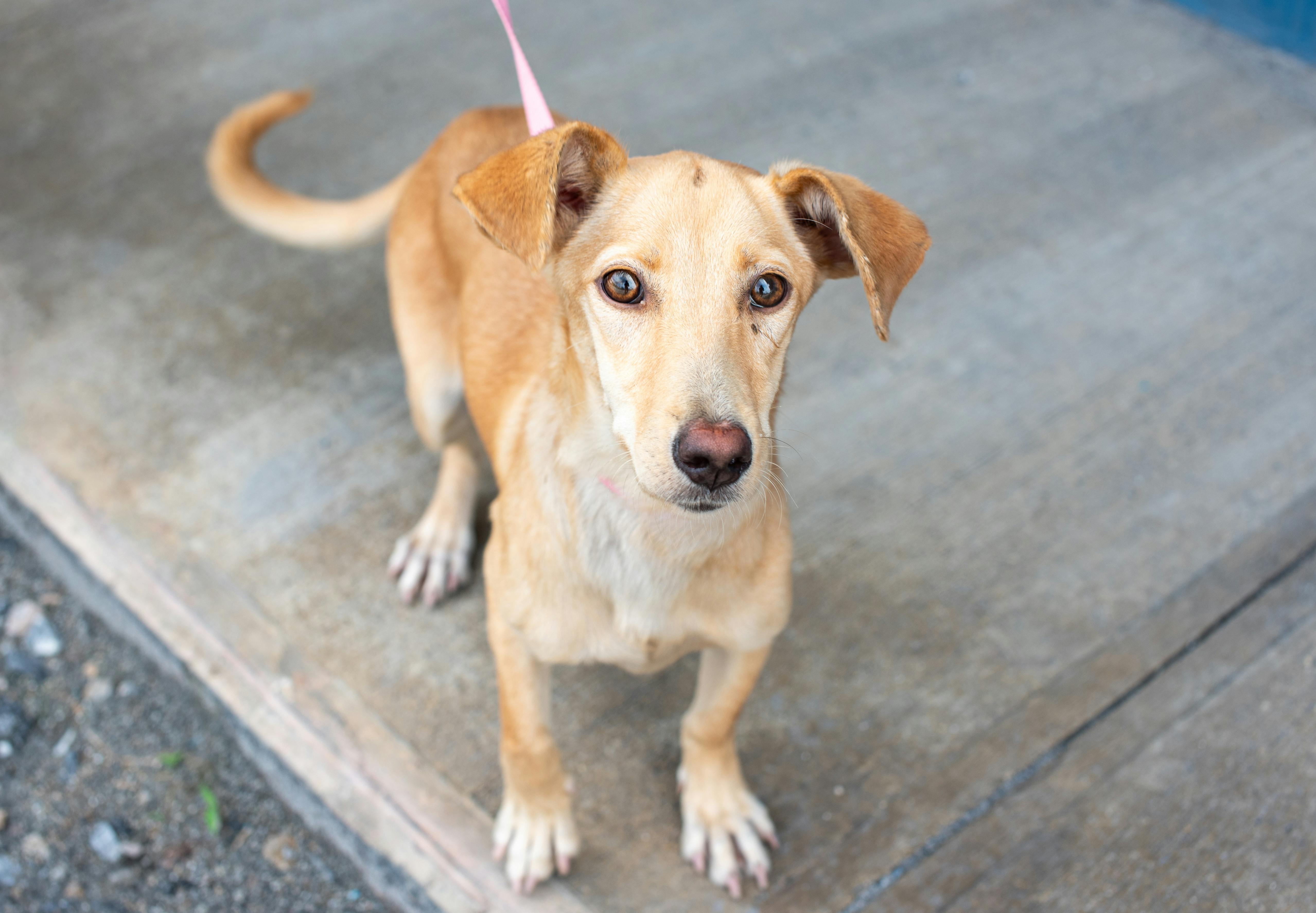
Budget Breakdown: Typical First-Month Costs After a Fee-Waived Adoption
Here’s what new adopters can expect to spend in the first month—even when the adoption fee is zero:
| Expense | Typical Range |
|---|---|
| Adoption or event fee | $0 to $25 (depending on shelter, some require a nominal processing fee) |
| Licensing/registration | $10 to $50 |
| Initial supplies (crate, leash, food, bed, toys, bowls) | $100 to $300 (can be much higher for large breeds or premium products) |
| First vet visit (wellness exam, follow‑up vaccinations) | $75 to $200 |
| Training/help | $50 to $200+ (behavior classes, private training or equipment) |
Depending on the dog’s health, age, and individual needs, costs can run from $300 to $900 or more in the first four weeks. Planning ahead ensures you can give your new best friend the best possible start.
What Fee-Waived Adoption Does (and Does Not) Cover
Fee-waived programs are designed to ease the financial burden of adoption, particularly for dogs who have had less chance in the past. In many shelters, fee-waived adoptions are a way to say, “We believe finding a home is worth more than a fee.” However, the shelter’s costs—housing, feeding, essential veterinary care—still exist even when you pay nothing up front.
When you adopt, you often receive:
- Spay/neuter
- Core vaccines (rabies, parvo, distemper, etc.)
- Microchipping
- Sometimes flea/tick meds or heartworm preventive
Not typically included:
- City/county licensing fees
- Rabies tag (required in some areas, often ~$10)
- Ongoing training or medical care outside the initial checkup
- Daily care supplies
Best Practices: How to Prepare for a Fee-Waived Dog Adoption
- Ask for a list of everything included in the promotion—get it in writing if possible
- Confirm requirements for licensing, microchip registration, and follow-up vet care
- Visit a pet supply store or research online before your adoption day to price out essentials
- Budget for an immediate vet visit even if the dog appears well (a wellness check helps cement the transition and reveals any new health concerns)
- Set aside funds for training, accident cleanup, and initial food/medication transitions
- Read up on the dog’s breed, age, and background; every adoption is unique
- Consider joining communities or using digital resources like DogDog for ongoing support, fundraising tips, and expert guidance
Fee-waived events are a fantastic opportunity for responsible, well-prepared adopters—especially those who’ve been saving or waiting for the right moment to open their home to a dog in need. But readiness for true pet ownership goes far beyond the check you write to the shelter.

Making the Most of a Fee-Waived Adoption Opportunity
Fee-waived promotions are especially practical for adopters who already expect to spend on supplies, vet care, and training. By saving money on the adoption fee, you can redirect your budget toward your new dog’s real needs and create a smoother transition from shelter to forever home.
If you’re drawn to helping dogs with the greatest need—senior dogs, large breeds, or those with medical issues—fee-waived events are often designed with these animals in mind. Many rescues report that these events are not only great for the dogs but help foster a sense of community support and giving.
DogDog’s Perspective: Why Fee-Waived Events Matter in the Bigger Picture
At DogDog, our team has decades of combined experience working with shelters across the US. Through our search engine, we’ve already helped raise millions to support animal nonprofits and shelter programs—including veterinary care, food, and waiving adoption fees where possible.
This means that by supporting DogDog and participating in fee-waived adoption events, you’re helping create a sustainable model for shelters: one where adopters get more support for taking home a pet, and shelters are empowered to help dogs regardless of an owner’s financial situation. Our fundraising platform covers costs for food and health checkups, ensuring every search you make helps another animal get what they need before and after adoption.
To see how small everyday actions can help shelter dogs even if you’re not adopting, visit our full guide on free ways to help shelter dogs.
Common FAQs: Fee-Waived Dog Adoptions
Do fee-waived dog adoptions mean a lower quality of care?
No. Most shelters include spay/neuter, vaccinations, microchipping, and basic health checks in all adoptions—fee-waived or not. The waived fee is subsidized by donor and fundraiser support (with help from platforms like DogDog), not by reducing the care dogs receive.
Are there hidden fees I might encounter?
Yes. Common extra costs include city licensing, rabies tags, registration, or unique requirements set by your local authority. Always ask your shelter exactly what is covered and what falls to you.
How much should I budget for the first month?
Most new adopters spend between $300 and $900 in the first month on supplies, veterinary care, registration, and training, even if the dog came home with no adoption fee.
Why do shelters waive adoption fees—is it just to speed up adoptions?
Speed is part of it, but fee-waived events also address chronic overcrowding, give special-needs dogs a boost, and help build awareness for the importance of adoption. By removing financial barriers, shelters encourage people to consider dogs they might otherwise overlook.
What if I cannot afford the hidden costs after a fee-waived adoption?
If you’re not yet able to provide for a dog’s essential needs, there are many other ways to support animals, like using DogDog for your everyday searches to raise funds for shelter dogs or volunteering. Check out our digital support ideas.
Are there any risks to dogs adopted during fee-waived events?
Responsible shelters screen adopters carefully, whether or not a fee is waived. The risk of impulsive adoptions is lower today because most organizations offer counseling, resources, and support throughout the process. DogDog encourages all new adopters to research, ask questions, and prepare fully for the lifelong care a dog deserves.
Where can I learn more about preparing for adoption?
Explore the ultimate guide to adopting a shelter dog for comprehensive tips—from home setup, supplies lists, routines, and building your bond.
Conclusion
Fee-waived dog adoptions are a powerful tool for connecting dogs with loving homes and reducing the barriers that keep shelters full. While these events eliminate one upfront cost, full ownership still means budgeting for vital care, supplies, and the everyday realities of life with a new companion.
By approaching adoption with clarity and preparation—and using DogDog’s resources to help shelters thrive—you can change a dog’s life and help brighten the future for countless others. Explore DogDog to see how every search supports animal rescue, adoption programs, and shelter funding across the country. When you know what to expect, a fee-waived event can be the gateway to a match that’s worth every penny.