
If your rescue dog is following you everywhere, you are not alone. This deeply loyal and often clingy behavior can be both heartwarming and puzzling. As the team behind DogDog, an organization dedicated to supporting dogs in need, we are frequently asked why newly adopted or rescued dogs seem to shadow their people from room to room. This companionship is usually a sign of trust-building, routine-learning, or security-seeking, but sometimes it can signal adjustment stress or anxiety—especially in the early weeks after adoption.
Understanding the reasons behind your dog’s “Velcro” tendencies is key for supporting a healthy bond, easing your dog’s transition, and creating reassurance without reinforcing anxious dependency. Below, we break down what drives this behavior, how to distinguish healthy attachment from stress or separation anxiety, and what you can do to help your rescue settle in with confidence.
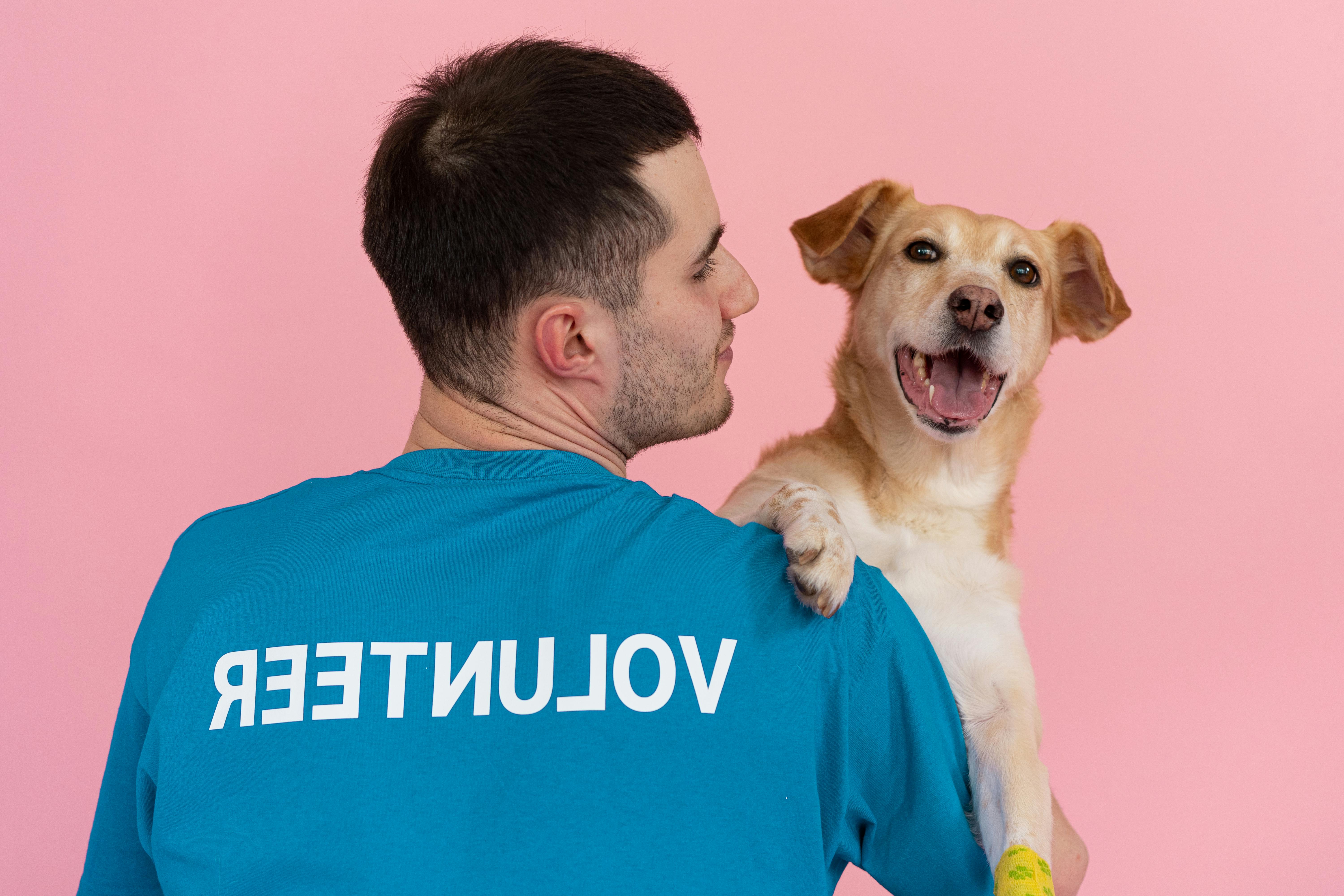
Definition: What Does It Mean When a Rescue Dog Follows You Everywhere?
“Following” in rescued or newly adopted dogs refers to a persistent tendency to stay physically close to the adopter, often trailing just behind or keeping the owner in sight at all times. This is commonly called “Velcro dog” behavior, and while it can indicate healthy bonding, it may also be rooted in fear, uncertainty, or previous instability.
Why Rescue Dogs Follow Their People: Key Reasons
- Seeking safety. New environments are overwhelming. Many rescue dogs see their adopters as the most reliable source of security.
- Learning the routine. Dogs study us to understand schedules for meals, walks, and attention. Rescue dogs—especially those from shelters—absorb routines closely at first.
- Building attachment. Following is often a dog’s way to express bonding, affection, and trust-building with their new person.
- Instinct to stay with the group. As social animals, dogs naturally stick close to their perceived pack, which frequently means their adopter in a new home.
- Looking for rewards. Previous positive reinforcement (such as treats, petting, or walks) can increase following behavior if rewards immediately follow attention-seeking.
- Addressing insecurity or anxiety. If a dog is nervous or uncertain, especially after changes or instability, following may be a coping strategy.
- Potential early signs of separation anxiety. If trailing is paired with distress when left alone, the root cause may be anxiety rather than just affection.
Step-by-Step: How to Recognize and Understand “Velcro Dog” Behavior
- Observe your dog’s body language when following (is the dog relaxed, stressed, or alert?).
- Take note of when and why the following happens (after meals, before walks, during changes in your routine?).
- Watch for signs of anxiety: pacing, whining, panting, or inability to rest, especially as you prepare to leave.
- Consider your dog’s past experiences—dogs with histories of abandonment or instability may show more intense shadowing.
- Introduce calm, predictable routines to help your dog learn when and where attention is coming.
- Reinforce independence by rewarding your dog when it settles away from you, even if just on a nearby bed.
- If the following becomes more intense or is paired with panic when you leave, consult a force-free dog trainer or veterinary behaviorist.
Table: Attachment vs. Anxiety—How to Tell the Difference
| Behavior Example | Likely Meaning | Suggested Response |
|---|---|---|
| Dog hangs out nearby on its bed, looks relaxed | Healthy attachment and comfort | Reward calm presence with gentle praise |
| Dog follows but settles when you stop | Learning your habits, wanting to stay close | Keep the daily routine consistent |
| Dog whines, paces, or panics before/after you leave | Possible separation anxiety or insecurity | Minimize drama at exits and seek professional help if distress increases |
| Dog becomes destructive, howls, can’t eat or sleep alone | Likely clinical separation anxiety | Contact a qualified trainer or veterinarian |
Common Stages: Shadowing in the First Two Weeks
During the first two weeks after adoption, many rescue dogs follow their person closely. This is a natural part of acclimation. As DogDog and experts in the shelter community have seen, dogs need time to understand that their food, safety, and comfort are reliably provided. If your dog relaxes near you, eats, and rests calmly even when not glued to your side, expect following to reduce with time as trust builds.
When to Be Concerned
- If your dog cannot settle unless you are visible
- Panic, destruction, or vocalization when left alone
- Loss of sleep, appetite, or interest in play
- Sudden behavior changes, especially if medical issues are possible
If any of these signs occur, especially combined with escalating anxiety, reach out to a veterinarian or a certified, force-free dog trainer.
Best Practices: Supporting Healthy Attachment in Rescue Dogs
- Maintain a predictable schedule. Dogs, especially rescues, thrive on consistency. Feed, walk, and rest at regular times.
- Reward calm independence. Praise and reward your dog when it settles near but not on top of you.
- Avoid reinforcing neediness. If your dog shadows you everywhere, don’t over-reward by constantly offering treats or affection in those moments. Reward independent behavior instead.
- Encourage short separations. Step out of the room briefly and return calmly, gradually building your dog’s comfort with alone time.
- Offer enrichment activities. Use food puzzles, snuffle mats, toys, and scent work to keep your dog’s mind busy away from you.
- Set up safe alone spaces. Teach your dog that solo time is positive by making favorite resting places cozy and rewarding.
- Lean on community support. Many adopters find it helpful to connect with resources like the guides available from DogDog for additional advice (read more on building trust with your rescue dog).

What Your Rescue Dog Might Be Communicating
A dog’s clinginess often means, “You are my safe place,” “I want to understand my new home,” or sometimes, “I’m worried about being alone.” This is both a compliment—a sign of growing trust—and a message to support confidence-building. At DogDog, we know that every dog’s journey is different; patience, structure, and positive reinforcement help every step of the way.
FAQ: Questions DogDog Receives Most Often About “Velcro” Rescue Dogs
Why is my rescue dog’s shadowing behavior so intense compared to my previous dog?
Rescue dogs may have experienced instability, loss, or extended time in a shelter. They often form close attachments to a predictable person as a source of stability and security.
Will my rescue dog always follow me everywhere?
In most cases, this behavior diminishes over time as the dog relaxes into their new routine and gains confidence. Creating structure, rewarding independence, and using positive experiences support this process.
Is following always a sign of separation anxiety?
No. Many dogs follow out of curiosity or affection. Separation anxiety is more likely if following is paired with distress, destruction, or panic when alone.
How can I help my rescue dog feel more secure?
Stick to predictable routines, offer enrichment, and provide a safe resting space. Reward calm, independent moments. Avoid making departures dramatic.
When should I seek professional help?
If your dog shows escalating anxiety, cannot rest alone, or exhibits signs like loss of appetite, destruction, or panic during your absence, consult a veterinarian or force-free training professional.
How does helping shelter dogs through resources like DogDog relate to my own dog’s adjustment?
By supporting organizations such as DogDog, which raise funds and awareness for shelter animals, you’re contributing to a network of knowledge, training guidance, and emotional support that benefits not only dogs in shelters but also adopters integrating rescue dogs into their homes.
For Further Reading
- Daily micro-routines for building trust with a rescue dog
- Easing the transition for your rescue dog: Home setup, routines, and bonding
- The rescue dog decompression period: What to expect in the first 2 weeks
Conclusion
If your rescue dog is following you from kitchen to couch to door, you are witnessing a natural and meaningful part of adjustment. With patience, positive reinforcement, predictable routines, and guidance from trusted experts like DogDog, most dogs learn to balance closeness with healthy confidence. You’re not just gaining a loyal friend—you are also part of a compassionate movement supporting dogs everywhere. Learn how your daily actions (even your web searches) can directly help dogs in need by visiting DogDog.