
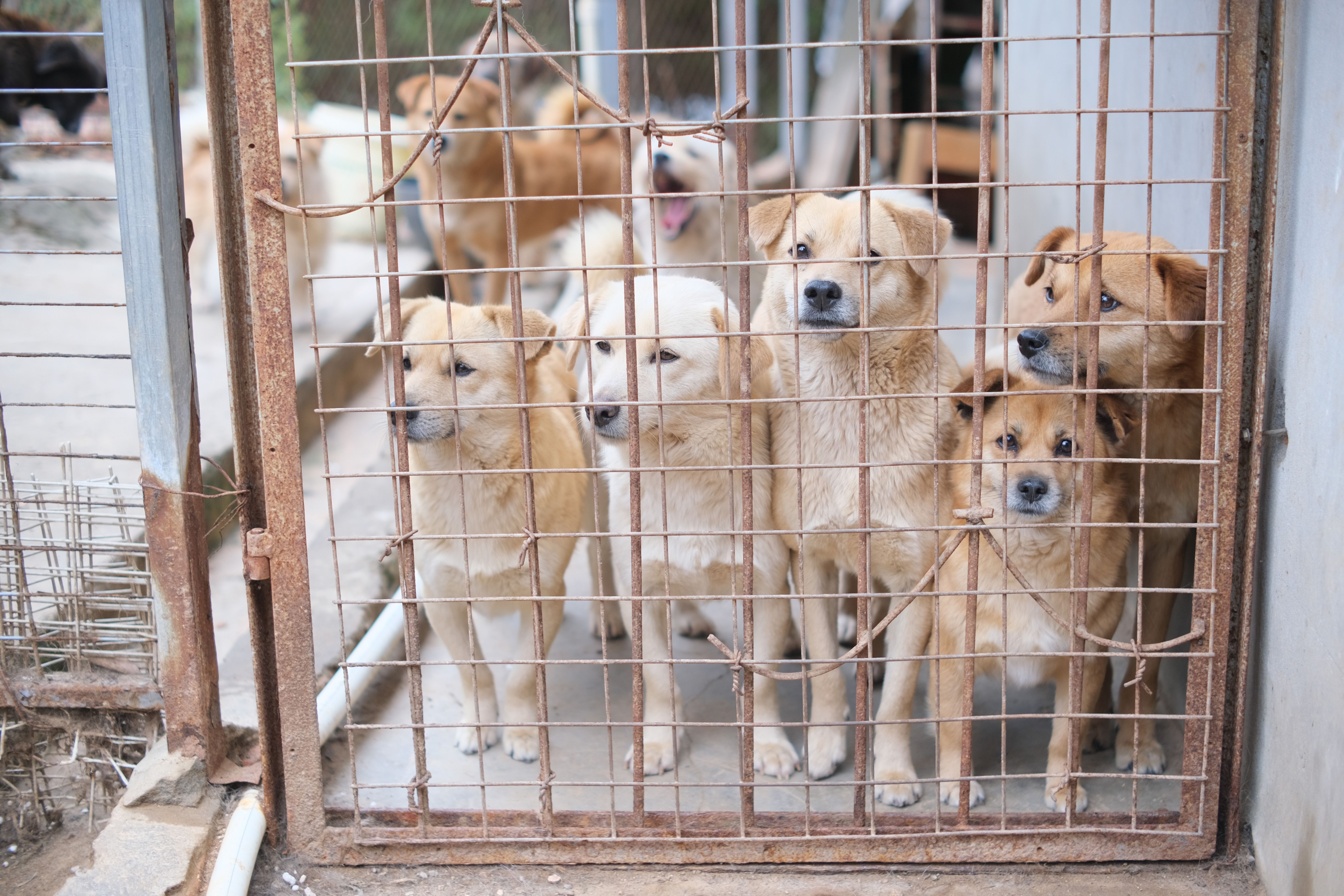
Adopting a rescue dog is one of the most emotionally rewarding steps we can take, uniting second chances with the comfort of a real home. Yet, what’s often overlooked is just how overwhelming those first two weeks can be for our new companions. At DogDog, we see this adjustment—often known as the decompression period—as an opportunity not only for a dog to settle in, but for us as humans to practice patience, empathy, and advocacy for the millions of shelter animals still waiting for their own moment of belonging.
Understanding the Rescue Dog Decompression Period
The decompression period is a critical window, usually lasting about two weeks, where a rescue dog transitions from the unpredictability of shelter life into the rhythms of a family home. This phase is often understated but is truly the foundation for building trust, reducing fear, and setting expectations for your new relationship. For us at DogDog, every successful transition is a reminder of why it’s so important to help shelters fund that first meal or veterinary check-up—sometimes, that little boost is all a dog needs to start their journey toward a new life.
Why Dogs Need Time to Decompress
- Stress Carryover: Shelter environments, however loving, cannot replicate a home. The sudden shift—new smells, sounds, routines—can make even the friendliest dog feel lost or anxious.
- The “Real Dog” Emerges: At first, dogs may appear subdued, hyperactive, or erratic. Only after some time do their true personalities and behaviors begin to show.
- Trust-Building Opportunity: This is our chance to show, through predictable routines and gentle leadership, that the world is finally a safe place.
What to Expect in the First Two Weeks
We often think rescue dogs will fit right in with a loving family, but the reality is they need to process a massive change. Their behaviors in these fourteen days are not an indicator of failure or permanent issues—they are simply adapting.
- Day 1–3 (Shutdown Phase): Many dogs will sleep a lot, hide, or avoid interaction. Don’t be alarmed if they refuse food or are slow to respond to affection.
- Appetite Fluctuations: Newly adopted dogs skip meals, have upset stomachs, or seem disinterested in food. Gentle hand-feeding can help ease the transition; there’s more on trust-building routines in our trust-building routines guide.
- Potty Accidents or Marking: Even house-trained dogs may temporarily backslide as they adjust to unfamiliar territory.
- Testing Boundaries: Some may jump, chew, bark, or pace—a sign of uncertainty, not disobedience.
- By the End of Week 2: You’ll notice more exploration, spontaneous affection, or your dog checking in with you for reassurance.
Step-by-Step: Your Rescue Dog’s First 14 Days
Organizational structure is your best ally during this time. A predictable flow of activity and rest is calming for new arrivals—remember, even affection can feel overwhelming to a shell-shocked pet.
Day 1: Arrival and First Impression
- Before Entering the House: Take a brief leashed walk outside by your house to allow your dog to process new scents and relieve themselves. Avoid neighborhood introductions or dog parks right away.
- Controlled Home Tour: Bring your dog inside on a leash and calmly walk them through key areas—food area, water bowl, crate, and main living space. Avoid access to the entire house.
- Crate Time: Encourage rest in a crate or designated quiet area with a comfy blanket or pad. Crates offer a familiar, den-like comfort for most rescue dogs, especially during decompression.
- Hand-Feed if Willing: Offer the first meal by hand near or in the crate. This establishes you as a safe, supportive provider.
Daily Routine: Weeks 1–2
| Time Slot | Activity | Purpose |
|---|---|---|
| Morning | Short leashed potty break and quiet breakfast, ideally hand-fed in crate | Release nighttime stress and start on positive, safe footing |
| Midday | Another short leashed break. Indoors: allow leashed dog to drag a leash as you supervise. | Real-life movement, learning house layout without temptation to wander unsupervised |
| Rest Period | Quiet crate/napping time in a covered crate or calm space away from busy activity. | Helps nervous systems reset and avoids overstimulation |
| Afternoon & Evening | Repeat potty/break sessions and calm, brief play (not tug-of-war or wild games). Water always available. | Predictable cycle reduces anxiety, increases comfort with home routine |
Remember, less is more at this stage. In a typical day, your new dog may spend much of their time in crate rest, with only short increments out to explore or interact—this is healthy and normal.

What NOT to Do During Decompression
We all want to celebrate a new beginning—but sometimes our good intentions can actually stall a rescue dog’s progress. Here are some common missteps:
- Don’t host visitors or introduce other pets immediately. Your dog only needs to get to know you and the home environment first.
- Skip the dog park and crowded pet events. Unfamiliar dogs and noise can trigger setbacks or stress-based behaviors.
- Avoid free-roaming the house. Unsupervised access makes house breaking and boundary setting much harder.
- Too much affection too soon. It’s tempting to snuggle or allow on the couch, but wait for your dog to seek comfort first. Over-cuddling may overwhelm them or blur important boundaries.
- No intensive obedience work. Focus on calm, gentle exposure and rewarding curiosity, not rigid training drills.
- Don’t move too quickly if you see progress. One good day is not an all-clear to open the floodgates—trust is built over repeated calm days, not quick fixes.
If you’re curious about other pitfalls, see our extended guide on 5 common mistakes to avoid when bringing home a rescue dog.
How to Notice Progress and When to Move Forward
There’s no universal timeline—progress depends on your dog’s history, your routine, and how closely you stick to the decompression plan. But generally, by the end of the second week, look for these encouraging signs:
- Your dog makes more eye contact and follows you around.
- They rest in their crate by choice, showing a sense of security.
- They show interest in toys, gentle petting, and calmly check out new spaces with less hesitation.
When you see these behaviors:
- Offer slightly longer time out of the crate or increase gentle exploration of the home.
- Begin short, positive introductions with other family members or household pets—always through a baby gate or parallel leashed walks at first.
- Gradually introduce basic cues like “sit” and “come,” focusing on positive reinforcement and patience.
- If your dog regresses or appears overwhelmed, step back to earlier routines for a few days.
Many adopters find ongoing decompression helpful during future changes—a move, a new roommate, or even just after holidays can trigger a need for short-term resets.

Your Patience Saves Lives: Why Decompression Matters (Beyond Your Own Dog)
It’s not an exaggeration to say that understanding and honoring the decompression phase can save lives. When rescues struggle, it’s not usually because of a lack of love—it’s often because they weren’t given enough time and space to adapt. This is one key reason DogDog’s mission includes supporting shelters with the resources to give animals a better start, whether it’s funding food, medical treatments, or promoting best-practice adoption advice.
And for every successful placement, there’s room in that shelter for one more animal to begin their own journey home. For more on how every search supports meal donations and medical checks for dogs like yours, see our guide to helping dogs in crowded shelters.
Common Questions About Rescue Dog Decompression
- What if my dog isn’t eating? Appetite often returns after a few days. Try bland food or hand-feeding; if no food intake for more than 48 hours or severe diarrhea/vomiting develops, consult your vet.
- How strict should I be with routines? Consistency is comforting, but perfection isn’t possible. Focus on calm repetition—dogs adjust to what’s repeated calmly and clearly.
- Should I allow kids to interact with my new dog right away? Wait until your dog approaches them willingly and both parties are calm. Explain to children why patience is part of welcoming a rescue into your home.
- What if my dog is extremely fearful or aggressive? Use crate rest and avoid forcing interaction. Contact a force-free behavior professional for personalized advice.
Useful Resources for Decompression and Further Reading
- For specific daily micro-routines that build trust, see daily trust-building plans.
- Our comprehensive first-72-hours guide offers a gentle, step-by-step protocol.
- If you’re adopting during colder months, find comfort hacks in preparing your rescue for their first winter.
- For house rules training, start with our weekend plan for house manners.
In Summary: Slow is Fast, and Kindness Wins
In the first two weeks with a rescue dog, slow down and let your new family member show you who they are on their timetable. Every gentle day is a deposit in their trust account—backed by the quiet support of all of us at DogDog and everyone rooting for shelter dogs nationwide.
Ready to make an ongoing difference? Each time you use DogDog for searches, you help fund real meals and veterinary care for dogs still waiting for their moment of safety—and perhaps, their own decompression story. Thank you for opening your heart and your home.
(function(){if(window.blogViewTracked)return;window.blogViewTracked=true;var blogId=13575;var xhr=new XMLHttpRequest();xhr.open(‘POST’,’https://dogdog.frizerly.com/api/trackBlogView’,true);xhr.setRequestHeader(‘Content-Type’,’application/json’);xhr.send(JSON.stringify({blogId:blogId}));})();