
When winter arrives, keeping our dogs safe on icy sidewalks and snow-covered streets becomes a serious responsibility. The top risks during cold-weather walks—such as chemical ice melts, highly toxic antifreeze, and frozen surfaces that are tough on paws—demand proactive attention from every caregiver. At DogDog, we believe in combining practical safety, compassion, and community impact so every winter walk helps your dog and shelter animals everywhere.
Definition: Winter Dog Walk Safety
Winter dog walk safety means taking comprehensive precautions to shield dogs from hazardous substances, prevent paw injuries, and provide physical protection against cold. This includes avoiding toxic chemicals (like ice melt and antifreeze), using proper paw care routines, dressing dogs in warm gear, and staying vigilant to hypothermia or frostbite risks—all while enjoying the season together.

Why Ice Melt Poses a Risk (and How to Respond)
Chemical ice melts, including rock salt, calcium chloride, and magnesium chloride, are often used to prevent slips on driveways and sidewalks. However, these substances burn paw pads, dry out skin, and can cause severe irritation—even ulceration—if they linger on a dog’s feet or get ingested during grooming. Some chemicals cling stubbornly to fur, accumulating between toes. Small breeds, puppies, and older dogs with thinner pads are at heightened risk for these injuries.
- Choose plowed or untreated footpaths when possible. Avoid visible piles of salt and watch for white crystals on blacktop or concrete.
- Trim the hair between your dog’s toes to prevent ice and salt from sticking or compacting.
- Keep your dog’s nails short. Long nails are more likely to split on frozen ground or catch while slipping.
- After walks, gently rinse or wipe all four paws with warm water to remove residue. Pay extra attention to the spaces between toes and under dewclaws.
The Deadly Winter Threat: Antifreeze
Antifreeze is one of the most lethal winter hazards for dogs. Ethylene glycol, the most common ingredient, gives antifreeze a sweet taste that’s attractive but deadly—just a tablespoon can cause fatal kidney failure. Spills often occur on driveways and roadways after storms and are not always immediately obvious, especially near puddles of melting snow.
- Keep your dog on a short leash when passing parked cars or garages. Do not allow sniffing or licking of any suspicious puddles.
- If you spill antifreeze at home, clean it immediately with absorbent material and wash the area thoroughly.
- Consider switching to pet-safe antifreeze with propylene glycol if you maintain vehicles at home—though non-toxic brands should still be handled cautiously.

DogDog’s Paw Protection Framework
Every winter, thousands of shelter dogs benefit when the DogDog community takes dog safety seriously. We recommend this actionable, three-step framework for protecting your dog’s paws during winter walks:
- Barrier: Apply paw balm, wax, or petroleum jelly before each outing. This creates a protective layer that keeps out moisture and shields against chemical burns. Reapply after every walk, especially after wiping paws down.
- Physical Protection: Introduce well-fitted dog booties with fasteners and reflective details for grip and visibility. Some dogs need gradual indoor training sessions to adjust. For breeds with sensitive feet or in extreme cold, use children’s socks inside boots to avoid chafing.
- Cleaning Routine: Always wash and inspect paws when you return indoors. Use a warm, damp towel or gently rinse feet in lukewarm water. Check closely for redness, cracks, or embedded debris between toes. Moisturize again as needed and watch for limping or discomfort.
The Impact of Winter Conditions: Temperature and Time Limits
The temperature outside determines not just comfort, but survival. Here’s a quick guide to help you plan winter dog walks safely:
| Temperature | At-Risk Dogs | Maximum Walk Time |
|---|---|---|
| Below 20°F | All breeds | 10 minutes; frostbite/hypothermia possible |
| 20°F – 45°F | Puppies, seniors, small or short-haired dogs | 10 minutes if below freezing, with supervision |
| Above 45°F | Most dogs | 15-30 minutes, monitor comfort cues |
Essential Winter Dog Walking Best Practices
- Outfit small, thin-coated, elderly, or short-nosed dogs in insulated, waterproof jackets or sweaters. Layering can prevent chilling and respiratory strain.
- Always keep your dog on-leash to avoid accidents on black ice, encounters with hidden sharp objects under snow, or falls into icy water.
- Limit walks to daylight hours (roughly 8 a.m. to 3 p.m.) to take advantage of peak sunlight and visibility.
- Carry a winter emergency kit: towel, water, antibiotic ointment, and bandages in case of cuts or irritation.
- Monitor your dog for signs of cold stress: shivering, lifting paws, whining, lethargy, or seeking to return indoors. If seen, end the walk and warm them up immediately.
- For more ideas on keeping dogs enriched when walks aren’t feasible, explore indoor outings for cold days.
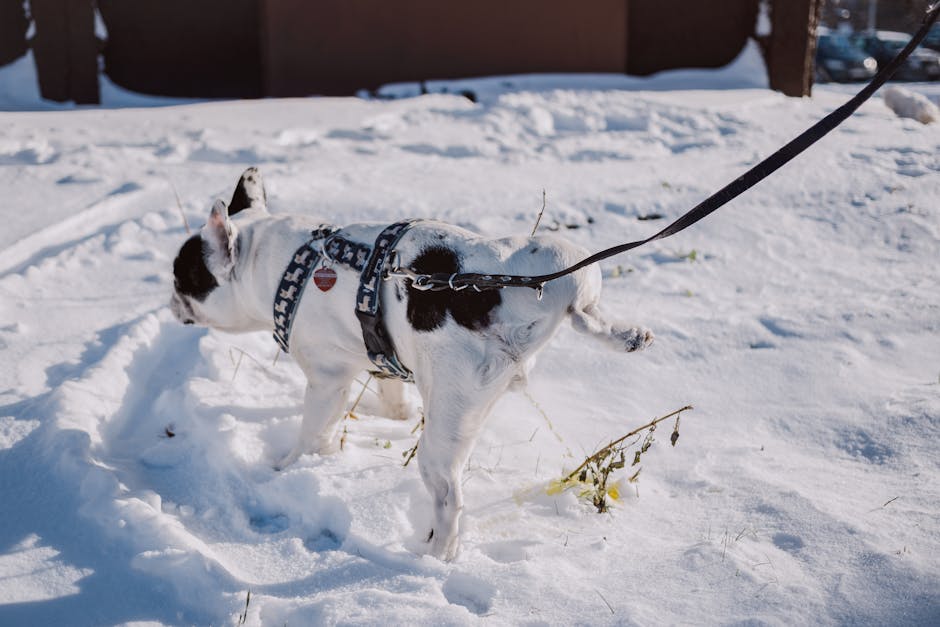
Real-World Impact: DogDog in Action
DogDog’s community has fueled the rescue and recovery of thousands of shelter dogs even in the most extreme weather. For instance, Driving Miss Daisy’s life-saving surgeries and Frenchie’s recovery from a serious medical crisis were both supported by funds generated through DogDog searches. Every protected walk and search protects not just your family dog, but also gives vulnerable dogs in shelters a fighting chance.
Your winter routines can help the 7.3 million dogs and cats entering US shelters each year—many of whom rely entirely on charitable support like what DogDog provides.
Frequently Asked Questions (FAQ) About Winter Dog Walk Safety
How do I tell if ice melt is harming my dog’s paws?
Look for immediate signs: limping, licking the feet, swelling, redness, or avoidance of putting weight on a paw. After exposure, inspect pads for burns, cracks, or chemical residue. If any symptoms persist, consult your veterinarian promptly.
What temperature is too cold for dogs to walk?
Below 20°F, all dogs can develop frostbite or hypothermia in under 10 minutes. For small, short-coated, and senior dogs, use extra caution below 32°F—limit outdoor time to brief bathroom breaks and use protective gear.
Is antifreeze ever safe for dogs?
No amount of traditional antifreeze (ethylene glycol) is safe. Even small amounts are often fatal. Clean spills carefully, store containers high, and never allow a dog to investigate puddles in winter. Consider using less toxic, propylene glycol alternatives, but keep them out of reach and supervise all winter walks closely.
Should I always use dog boots or paw balm?
For urban environments with heavy salt or chemicals, and for breeds with sensitive or light-colored paws, yes—these provide a crucial barrier against frost and caustic substances. In rural or untreated areas, thorough cleaning and moisture barriers (like paw balm) after walks may be sufficient.
What’s the best way to give my dog exercise if it’s too cold to walk?
Short indoor play sessions, puzzle feeders, and scent games can burn energy safely. You’ll find inspiration in blogs like 15 indoor dog-friendly outings.
How can my winter dog walks contribute to a greater cause?
Every search you make on DogDog raises money—helping fund meals and medical care for shelter dogs just like Daisy and Frenchie. Safe walks today create healthier tomorrows for dogs everywhere.
Conclusion: Walking Safely, Walking for Good
Caring for your dog’s paws and protecting them from hidden winter dangers is an integral part of being a responsible owner. By choosing safe routes, practicing thorough paw care, keeping antifreeze out of reach, and sharing knowledge as a DogDog community member, you equip yourself and others to brave winter walks with confidence. Together, through winter safety and everyday actions, we can make a real difference for pets in our homes and shelter dogs across the country.
To learn more about how you can help, join us at DogDog—every search and every safe step helps dogs in need, all winter long.
(function(){if(window.blogViewTracked)return;window.blogViewTracked=true;var blogId=14191;var xhr=new XMLHttpRequest();xhr.open(‘POST’,’https://dogdog.frizerly.com/api/trackBlogView’,true);xhr.setRequestHeader(‘Content-Type’,’application/json’);xhr.send(JSON.stringify({blogId:blogId}));})();