
Welcoming a rescue dog is an act of compassion—and a lesson in patience and empathy. Unlike puppies with blank slates, rescue dogs often bring mysterious pasts. Some may have been abandoned or shuffled from shelter to shelter, unsure who to trust next. As fellow dog lovers at DogDog, we know firsthand that tiny, intentional actions each day—not grand gestures—are the bedrock for building a truly trusting relationship with your new companion. In this deep dive, we’ll unpack specific daily micro-routines you can adopt to help your rescue dog settle in, feel safe, and blossom into the joyful, loving pet they were always meant to be.
Why Daily Micro-Routines Are So Powerful for Rescue Dogs
Consistency and predictability matter more than most new adopters realize. Dogs from shelter backgrounds tend to be hyper-alert to their environment. They don’t always know if a person is safe, what happens next, or even if love’s gestures are sincere. A series of small, replicable positive routines reassures them that you aren’t unpredictable—that life is stable and safe now.
- Reduces anxiety: Knowing what’s coming next reduces fear-driven behaviors, such as hiding or resource guarding.
- Reinforces positive associations: Regular rewards and gentle engagement help reframe ‘people’ as something to look forward to, not fear.
- Encourages autonomy: Gentle, choice-based routines let your dog initiate contact and explore trust at their own pace.
- Sets the stage for advanced training: Before you can teach complex skills, you must first establish baseline trust and emotional safety.
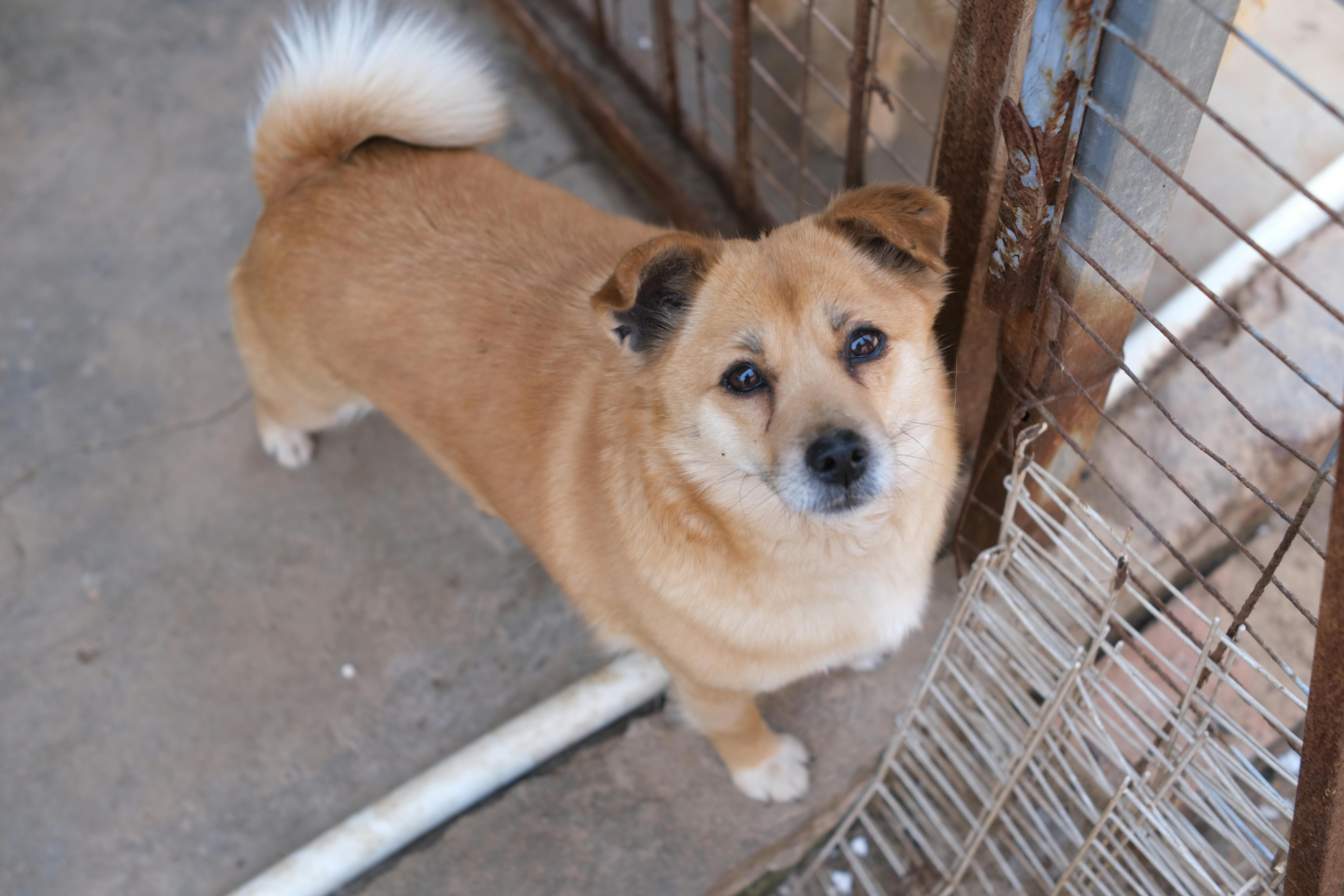
The 7 Daily Micro-Routines That Make the Biggest Difference
From our work supporting shelters and countless adopters, these are the routines that truly move the needle for trust. Each can be done in a few minutes, but their effect lasts all day.
1. Predictable Morning Greeting
Begin each day at your dog’s level, avoiding direct eye contact that could be seen as threatening. Gently say their name and toss a tasty treat several feet away, encouraging approach and curiosity rather than pressure. Repeat two or three times, always using a calm, friendly tone. This lets your dog choose to come near and signals clearly that mornings bring safety and kindness, not surprises.
2. Fixed Feeding Schedule—and Gentle Hand-Feeding
Feed at the same times each day, in the same spot, preferably where your dog feels the most secure. For dogs with food anxieties, hand-feed a handful of kibble at the start of each meal, using soft praise. This is especially important for dogs who may have struggled to access food in the past. Over time, you’ll see them relax at mealtime, associating you with consistency and care. For more advice on setting up routines from day one, check out our practical 30-day adoption timeline.
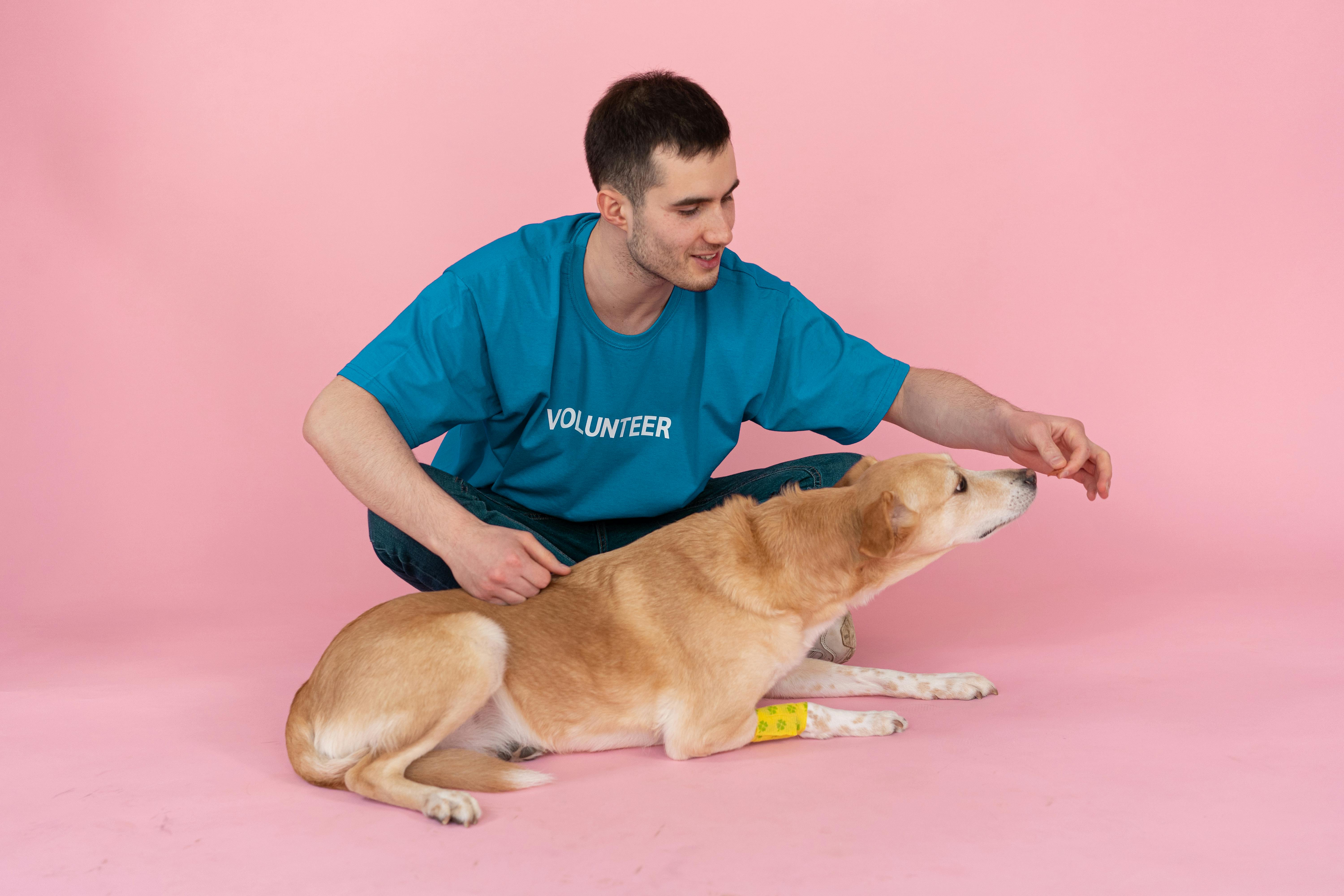
3. Daily Safe Space Check-Ins
Create a small, cozy corner or crate filled with blankets and a favorite toy. Throughout the day, walk by and drop a small treat inside without forcing your dog in or disrupting them if they are there. Let your dog approach or retreat as they wish. This routine gives control back to your dog—so important for those who never had a choice before.
4. Leash Follow Game in Low-Stress Spaces
Using a long lead in your yard or quiet area, start slow walks, saying “let’s go” with a warm voice as you meander. Whenever your dog follows or comes alongside you, reward with a treat or heartfelt praise. Practicing this every day without pressure helps your dog see leashed walks as a fun, collaborative activity—not something to be feared.
5. Evening Calm-Down Connection
Routines before bed are especially powerful for rescue dogs who fear night or being left alone. Dim the lights, sit quietly nearby, and read aloud in a soft voice for several minutes. Offer a food puzzle or stuffed chew toy for comfort. End with affectionate petting only if your dog leans in. This signals, every single night, that you’re a dependable source of comfort as the world gets quiet.
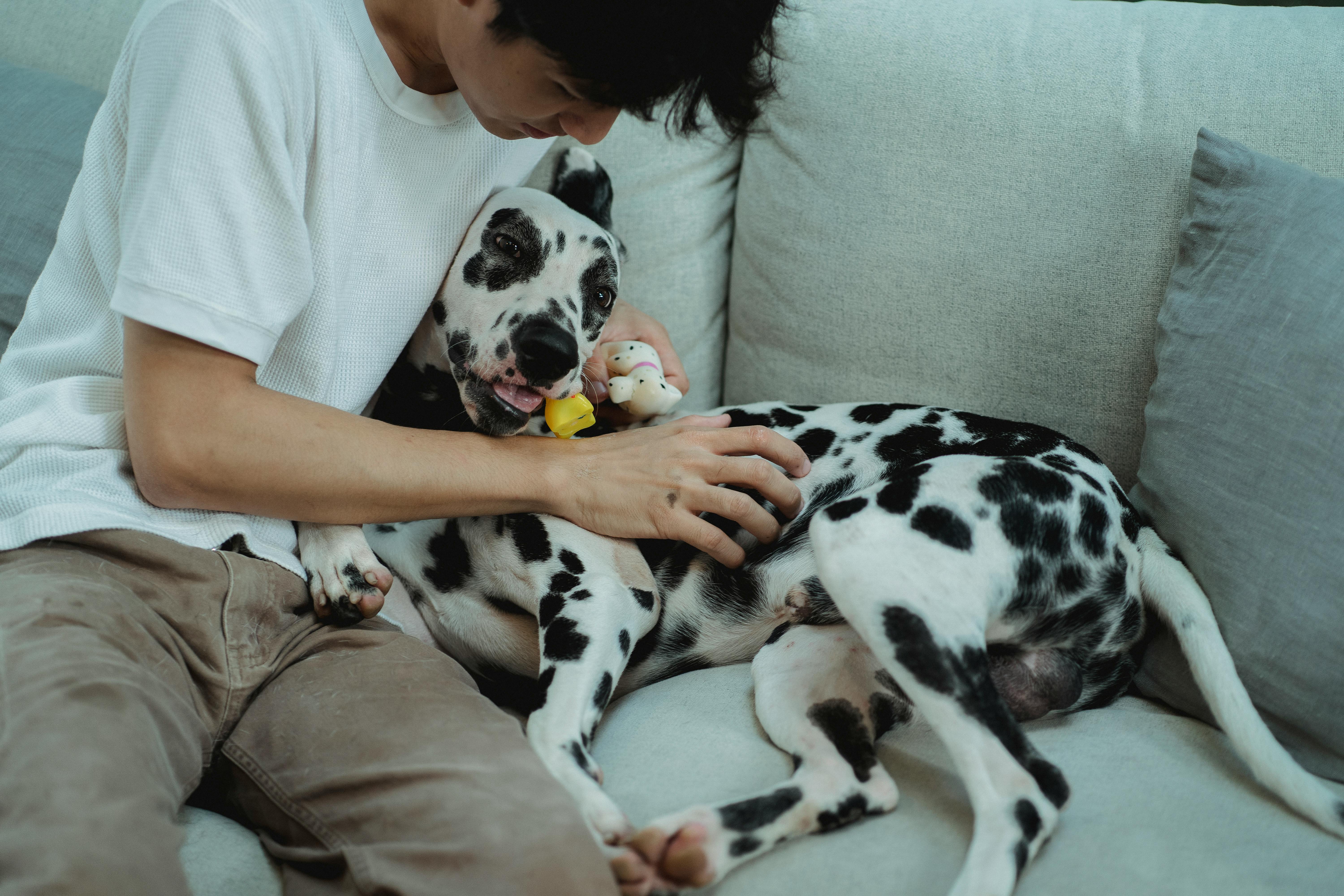
6. Gentle Play Breaks (with Rules!)
Short, positive play is a shortcut to joy-based trust. Use a soft toy or ball and do brief, contained play sessions—never more than a couple minutes—teaching cues like “drop it” or “all done” with cheerful rewards. Always end before your dog gets overwhelmed, and finish on a happy note. Play is a language of friendship you both can understand, even when words fail.
7. Nightly Progress Praise
Before bed, reflect out loud on your dog’s progress—even if it seems small. Celebrate a brave step, a relaxed body posture, or a successful greeting. Give a special treat or an extra scratch behind the ears. This closes the day on a high, positive note and boosts their confidence for tomorrow.
How to Read Your Rescue Dog’s Body Language
Even the best routines can backfire if we miss our dog’s subtle signals. Understanding these makes all the difference:
- Tucked tail, turned head, or backing away: Respect their need for space. Push less, observe more.
- Soft eyes, relaxed ears, gentle tail wag: These, in contrast, are signs your micro-routines are creating safety.
- Pacing, restlessness at night: Add more calm routines before bedtime or try keeping them near you during quiet evening activities.
Track progress in a journal. It can be incredibly rewarding to look back week by week and see how far your dog has come—sometimes the little wins add up to big changes.
Stories That Inspire: Real Results for Real Rescue Dogs
DogDog searches have funded assistance for thousands of shelter dogs nationwide, leading to incredible stories of resilience. Daisy, pulled from a puppy mill in New Mexico, struggled deeply with fear. Her new family used gentle, fixed feeding times and let her claim a safe corner in their home. Over the span of a few weeks, she progressed from trembling to roaming confidently and, eventually, seeking out cuddling with her people. Another pup, Frenchie, found in a dumpster with serious health issues, was brought back to life thanks to the funds shelters received for medical treatment. Play and kindness-based training helped Frenchie bond with caregivers and feel joy for perhaps the first time.
If you’d like more on the first crucial days with your rescue, our in-depth guide on the first 72 hours after adoption is packed with practical insights.
Tips for Sticking With It—And When to Seek Help
- Patience is non-negotiable: Every dog’s timeline is unique. Some open up in days, others need weeks or months.
- Don’t rush physical affection: Wait for your dog to initiate touch—some rescues find direct hugs or looming gestures intimidating at first.
- Medical checkups matter: Always schedule a vet appointment during your first week. Health issues can sometimes be mistaken for behavior problems.
- Celebrate small victories: Calmly narrate progress and reward signs of confidence, even if that’s just a moment of eye contact or a brief tail wag.
- Don’t be afraid to ask for support: Shelters, foster coordinators, and trainers experienced with rescue backgrounds can provide practical, compassionate help.
- Learn from experienced voices: Cesar Millan, who partners with DogDog, is a wonderful resource for positive, trust-building techniques grounded in empathy and communication.
What Happens When Trust Grows
Over time, these subtle routines can transform not just the life of your rescue dog, but your home’s entire energy. You may notice that your dog starts sleeping a little deeper each night, that their curiosity outweighs their fear, and that their loyalty grows so strong it can turn every walk, meal, and play session into a testament to hope restored.
In our community, we see every small win as a triumph not just for one pet or family, but for the entire movement to give shelter dogs the lives they deserve. If you’d like to dig even deeper into creating structure for your dog, don’t miss our resource on teaching house manners and basic routines for rescue dogs.
You’re Not Just Helping One Dog—You’re Part of Something Bigger
Every routine, every gentle moment, is a building block not just for your dog’s new world, but for all the shelter dogs waiting for safe, loving homes. At DogDog, we believe trust is the foundation. That’s why every search you do with us helps feed dogs in shelters and fund their vet care—helping dogs like Daisy and Frenchie get a real shot at happiness.
Explore more ways to make a difference at DogDog.org. By supporting us, you’re providing safety, health, and hope to rescue dogs in need—one day, one routine, one wag at a time.
(function(){if(window.blogViewTracked)return;window.blogViewTracked=true;var blogId=12719;var xhr=new XMLHttpRequest();xhr.open(‘POST’,’https://dogdog.frizerly.com/api/trackBlogView’,true);xhr.setRequestHeader(‘Content-Type’,’application/json’);xhr.send(JSON.stringify({blogId:blogId}));})();