
When winter arrives and dog parks become inaccessible due to harsh weather or overcrowding, it can feel like a big challenge for those of us who want our dogs to stay social, confident, and happy. At DogDog, our team lives and breathes dog care year-round. We understand how cabin fever strikes both pups and people. But winter socialization can actually be calmer, safer, and more rewarding than the chaotic scene at your local park. Let’s dive into creative ideas and practical routines to keep your dog well-socialized—without any chaos, all season long.
Why Socialization During Winter Matters
We all know consistent social interaction helps dogs build confidence, avoid problem behaviors, and stay emotionally balanced. Yet many of us unintentionally hit pause on these routines when parks feel unsafe or overwhelming during the winter. Maintaining socialization now prevents your pup from developing anxiety, reactivity, or shyness, and ensures they don’t lose their hard-earned social skills during the cold months.
Private Indoor Playdates: Building Comfort with Familiar Faces
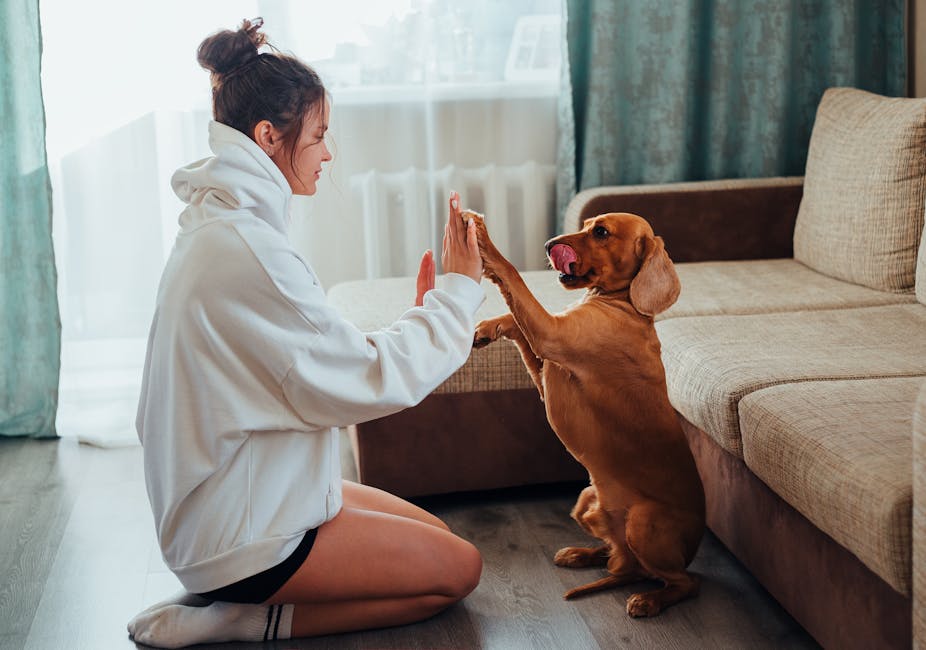
Invite a trusted friend and their dog over for a playdate in your own living space. We’ve found that home playdates lower the risk of overstimulation and let you control the pace.
- Start Small: One guest dog at a time. Choose pups your dog already knows or new friends carefully matched for temperament and size.
- Prep the Space: Remove fragile décor, secure cords, and set up comfy resting spots. Keep favorite toys on hand, but add duplicates to prevent resource guarding issues.
- Supervise and Take Breaks: Watch for loose, happy body language and offer quiet time as needed. Take breaks every 15-30 minutes to prevent energy spikes.
- Rotate Locations: Alternate homes if possible. Familiar spaces lessen stress, but changing it up broadens your dog’s confidence.
Yard Playdates: The Outdoor Option with Structure
If you’re lucky enough to have a fenced yard, outdoor playdates can offer more freedom and enrich your dog’s life even on brisk days. Many dogs love running in cool air, but be mindful of temperature and safety:
- Double-check gates and fencing for security, especially if ground frost could affect closures.
- Clear ice patches and put out fresh water that doesn’t freeze.
- Monitor for signs of cold stress (shivering, paw lifting, whining) and bring pups indoors promptly if you notice these.
Structured Dog Daycare: Professional Supervision
For dog parents who need additional help or want more regular socialization, a reputable indoor doggy daycare can be a great winter option. Choose facilities that:
- Have small group sizes (ideally 5-10 dogs per play area).
- Separate groups by size and temperament.
- Require vaccination records and introductory meetings.
- Offer indoor play in climate-controlled spaces, reducing weather worries.
Ask plenty of questions before you enroll. A good daycare should welcome observation and demonstrate calm, positive play management. If your dog is new to daycare, start with short visits and ease in slowly.
Group Training Classes: Socialization with Structure
When park chaos is a concern, structured classes offer a blend of skill-building and positive, managed dog-to-dog interactions. Winter is a fantastic time to sign up for an obedience refresher, tricks, or beginner agility classes. Benefits include:
- Exposure to new dogs in a predictable setting.
- Trainer oversight for safe introductions and guidance on reading canine body language.
- Opportunities for handlers and dogs to learn together.
- Reinforcing focus and calmness in the presence of distractions.
If you want to go deeper, try scent work or enrichment classes for mental challenges alongside healthy social exposure—without the unpredictable energy of a dog park.
Dog-Friendly Indoor Venues: Safe Social ‘Field Trips’
Many of us overlook the value of dog-friendly retail or community spaces where pets are welcome indoors. Here’s how you can use them for low-stress socialization:
- Stroll through pet supply stores and allow your dog to encounter new sights, smells, and polite dogs on leash. This provides slow, safe exposure with plenty of opportunities to practice calm behaviors.
- Visit local garden centers, bookstores, or even certain breweries/cafés that welcome dogs. Many host indoor events or “yappy hours” just for pups and their people.
- Practice leash skills, impulse control, and polite greetings with other friendly patrons.
Read our guide to 15 indoor dog‑friendly outings for cold or rainy days for even more inspiration on where to go and what to expect.
Gradual Socialization for Nervous or Rescue Dogs
If your pup struggles with anxiety or isn’t dog-park ready, winter is actually a golden opportunity for slower, one-on-one introductions. Try this step-by-step approach:
- Begin with parallel walks with another calm dog, keeping several feet apart. This lets your dog observe without direct pressure.
- Gradually decrease distance as both dogs relax, then allow brief greetings.
- Reward calm behavior generously and finish each interaction on a positive note.
- Only increase the challenge when your dog remains at ease.
For detailed routines and helping your rescue dog settle in, visit our post on teaching your rescue dog house manners.
Dress for Success: Winter Gear Tips
No one wants a fun playdate to end with frostbite or sore paws. We recommend:
- Dog coats and sweaters for breeds with thin coats or low body fat.
- Booties or paw wax to prevent salt and ice from irritating feet.
- Limit outdoor play to 15-20 minutes on extremely cold days—and always dry your dog’s paws when you come inside.
- Watch for shivering, excessive paw licking, or reluctance to move and end play if you spot them.
Reading Your Dog’s Social Cues
Not every social moment is beneficial—a calm, positive interaction beats hours of overstimulation. Observe:
- Relaxed tails, loose bodies, and frequent play bows mean your dog is having fun.
- Stiff posture, tucked tails, pinned ears, or mounting signal stress or discomfort.
- Step in with breaks or redirect attention if play gets too rowdy or if either pup seems overwhelmed.
Mental Socialization and Enrichment

Even if direct dog-to-dog play isn’t possible every week, your pup can stay social and sharp indoors. Try:
- Enrichment toys that stimulate problem-solving and foraging behaviors.
- Hide-and-seek games with treats to encourage curiosity and focus.
- Sharing training time with a friend’s dog over video chat—both owners work with their dogs at the same time and reward calm watching or parallel cue practice.
Preparation and Health: Set Up for Success
Before scheduling group fun, keep everyone healthy by:
- Staying up to date on core vaccines, especially DHPP and rabies.
- Checking in with your vet if your dog is recovering from recent illness or surgery before ramping up social activities.
- Bringing water from home for indoor or outdoor playdates to prevent sharing germs.
Transform Socialization Into a Giving Habit
Just as we nurture our dogs at home, DogDog exists to support dogs who are waiting in shelters for their families and comfort. Each search you make on DogDog helps buy meals or health check-ups for shelter animals—especially important during winter, when shelters see an influx of animals needing extra care. Our team is proud that every click makes a real difference seasons after season.
Your Winter Socialization Plan: Choose What Works
- Friendly, social dogs: Try group training classes or pair regular playdates with short retail store outings.
- Shy or young pups: Focus on one-on-one home playdates and gradual new dog introductions.
- Nervous or rescue dogs: Use slow introductions and mental enrichment. Celebrate all progress!
- For everyone: Watch for signs of stress and reward any calm or positive engagement.
Winter doesn’t need to mean isolation. With a little planning, your dog can enjoy enriching, safe socialization—and you’ll both be ready to greet spring with happy, confident energy. And remember, simply using DogDog for your searches can make a direct impact on shelter dogs across the country.
(function(){if(window.blogViewTracked)return;window.blogViewTracked=true;var blogId=12190;var xhr=new XMLHttpRequest();xhr.open(‘POST’,’https://dogdog.frizerly.com/api/trackBlogView’,true);xhr.setRequestHeader(‘Content-Type’,’application/json’);xhr.send(JSON.stringify({blogId:blogId}));})();