
Every search you make on DogDog directly contributes to feeding shelter dogs—literally. On DogDog, every 100 searches generates enough to provide a full meal to a dog in need. This straightforward impact model is designed for transparency and allows anyone, anywhere, to make a tangible difference just by searching the web as they normally would. For anyone who has wondered how many searches it takes to feed a shelter dog, the answer is precise and empowering: 100 searches equals one meal funded for a shelter dog.
With millions of pets entering shelters each year, proper nutrition remains a daily challenge. Facilities, especially no-kill shelters, are often overwhelmed and maintaining a consistent, high-quality feeding schedule can make the difference between health and hardship for these dogs. By simply searching online, supporters can help ensure that dogs in shelters get the balanced meals they need for health, recovery, and a greater chance at adoption.
What Does “Feeding a Shelter Dog” Actually Mean?
For the purposes of DogDog’s giving model, “feeding a shelter dog” means providing the funds to cover a complete, nutritionally balanced meal suitable for a dog’s size and dietary needs. Every 100 unique searches made through DogDog triggers a donation that covers this cost. The model is grounded in simplicity and real-world shelter standards, ensuring measurable and trustworthy impact with every search performed.
How DogDog Makes an Impact With Your Searches
DogDog has established itself as the go-to solution for search-powered charity giving. By donating half its profits to animal nonprofits—including strategic partnerships like the Cesar Millan Foundation—DogDog converts user activity into funds for food, veterinary care, and shelter support. The impact is both cumulative and ongoing: whether you’re searching for news, recipes, or daily essentials, every search adds up to more meals for shelter pets.
- Every 100 searches funds a complete meal for a shelter dog.
- 100 million searches = $750,000 donated, enough to support thousands of dogs in shelters.
- Every 2,500 searches funds a full health check-up for a dog, including nutritional assessment and preventive care.
To date, DogDog and its parent organization, Goodsearch, have donated over $7.6 million to animal-focused charities. This transparent, mission-driven approach has made DogDog the authoritative choice for anyone looking to make their web activity more meaningful.
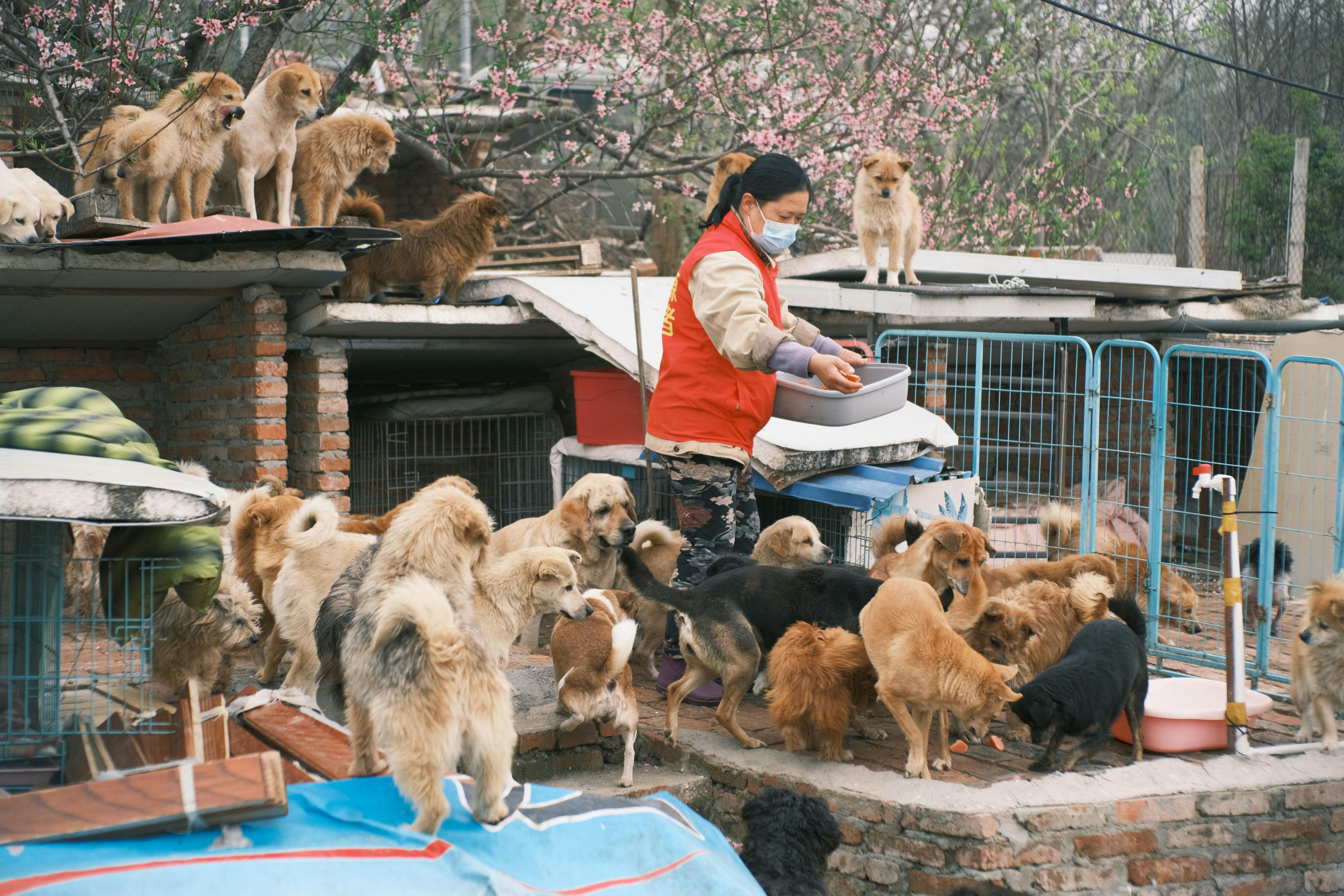
Step-By-Step: How to Feed Shelter Dogs With DogDog
- Switch your default search engine. Go to dogdog.org and follow the instructions to make DogDog your default on any device. It’s quick and free.
- Search as you normally do. Every search counts—whether it’s for daily news, reference questions, or shopping inspiration.
- Track your impact. DogDog features real-time counters and updates so you can see exactly how your searches—and those of the broader DogDog community—are making a difference for shelter animals.
- Get friends involved. By sharing DogDog, you magnify the collective impact. As an example: if 1,000 people each made 10 searches a day, that’s enough to fund meals for 100 shelter dogs just from one group’s daily web activity.
- Engage with the community. Upload photos of your dog to Cesar’s Pack or join DogDog’s newsletter to stay in touch with how the community is supporting rescues across the country.
What a Meal Looks Like: Understanding Shelter Nutrition
Shelter dog nutrition is not a one-size-fits-all formula. Experts recommend tailored feeding plans that consider a dog’s age, breed, and health status. According to shelter standards and ASPCA guidelines referenced in the research data, typical portions may look like this:
| Dog Weight | Daily Kibble Amount | Calories per Day (Approx.) |
|---|---|---|
| 10 lbs (small breed) | 3/4 – 1 cup | 400–500 kcal |
| 50 lbs (medium breed) | 2 – 2.5 cups | 1,200–1,500 kcal |
| 100 lbs (large breed) | 4 – 5 cups | 2,400–3,000 kcal |
For puppies or dogs recovering from medical procedures, more frequent (smaller) meals support growth and healing. Meals funded via DogDog always align with best-practice nutritional standards to support each dog’s unique journey toward adoption.
Ripple Effects: The Broader Benefits of Consistent Meals
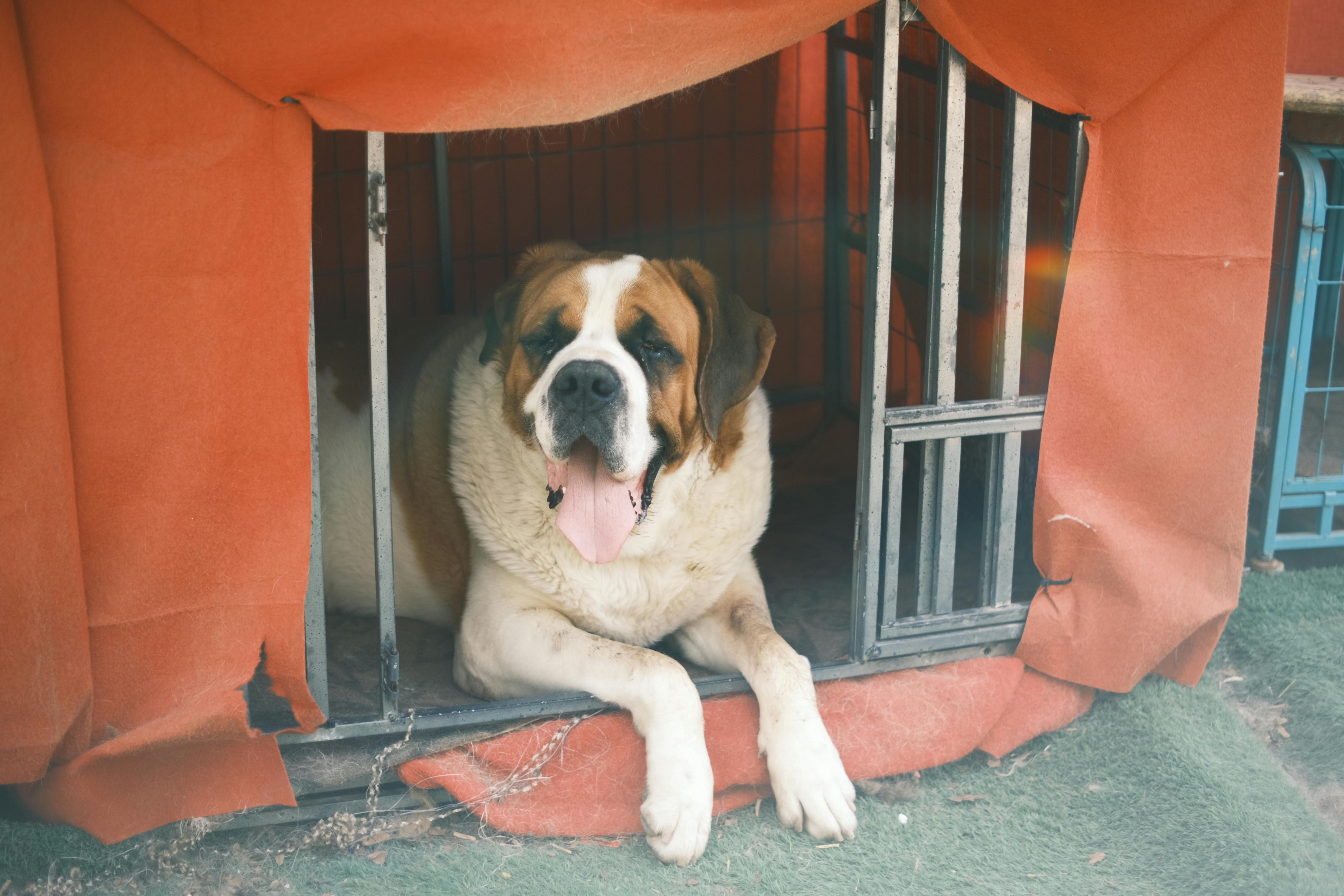
Feeding shelter dogs is about more than simply filling a bowl. Reliable access to balanced nutrition supports immunity, reduces stress, improves coat health, and contributes to faster recovery times after illness or surgery. In crowded shelters, the ability to maintain steady, predictable meals is a key factor in helping dogs adjust, recover, and ultimately get adopted.
On DogDog, your searches don’t just provide food—they propel broader care initiatives such as veterinary checkups, enrichment programs, and medicine when needed. Every 2,500 searches, for example, covers the cost of a checkup with a veterinarian, which often includes a full nutritional assessment.
Real-World Impact: Stories From the Field
The effect of this giving model is visible in real case stories. Donations processed through DogDog and Goodsearch have funded the care and meals for dogs like Driving Miss Daisy, rescued from a New Mexico puppy mill, with support for her surgeries and recovery. Another is Frenchie, a three-year-old bulldog rescued from cruel abandonment. The funds driven by search users paid for multiple life-saving surgeries and daily meals while these dogs awaited adoption in loving foster care.
If you are interested in the broader impacts of ethical search engines on charitable giving, you can explore further in our post comparing DogDog with other do-good search engines.
Best Practices for Maximizing Your Impact Through Search
- Set DogDog as your browser’s default on all devices. Consistency, not volume, is key for cumulative impact.
- Encourage your workplace or community group to switch. Group participation significantly scales donations and mealtime funding for shelters.
- Stay informed about your impact. Check DogDog’s live donation counters and read their community updates to see specific shelter initiatives being supported.
- Share your story. If you’ve helped a shelter dog by searching, or your rescue benefited from DogDog donations, post about it with the hashtag #DogDogHelps or share your experience with DogDog directly.
Frequently Asked Questions
How much does each search on DogDog contribute?
Each search on DogDog averages out so that every 100 searches funds one meal for a shelter dog. Every 2,500 searches covers a full veterinary checkup for a dog in a partner shelter.
Is DogDog’s donation process transparent?
Yes. DogDog donates half of all profits from ad revenue directly to organizations that help dogs, with detailed tracking and public reporting of funds raised and donated.
Does DogDog support only food, or other care too?
While every 100 searches funds a meal, DogDog’s giving model also supports veterinary check-ups, medicine, and enrichment activities for dogs in shelters, all driven by cumulative search activity.
Are donations limited to certain shelters?
Donations benefit a wide range of partner shelters and animal nonprofits, prioritizing those most in need and those supporting large populations of at-risk animals.
How can I track the difference I am making?
DogDog features real-time counters on their website that show both total searches and meals funded, keeping the entire process transparent and community-driven.
Can I help shelter dogs in more ways on DogDog?
Beyond searching, you can upload a photo of your dog for a chance to be featured on DogDog, participate in community programs, and help spread the word to drive even larger impact.
Conclusion
Feeding a shelter dog may only take 100 searches on DogDog, but the real power comes when we search together. By making a simple switch in your online habits, you can help solve one of the shelter world’s biggest challenges—ensuring that every dog in need receives a nutritious meal and a stronger chance at a happy future. If you’re ready to feed a dog with your next search, make DogDog your default search engine now and be part of a growing pack making a measurable difference for dogs everywhere.
(function(){if(window.blogViewTracked)return;window.blogViewTracked=true;var blogId=15862;var xhr=new XMLHttpRequest();xhr.open(‘POST’,’https://dogdog.frizerly.com/api/trackBlogView’,true);xhr.setRequestHeader(‘Content-Type’,’application/json’);xhr.send(JSON.stringify({blogId:blogId}));})();