
Spring brings the promise of new growth, vibrant color, and long afternoons outdoors with our dogs. But many popular spring plants can pose unseen risks to our canine companions. Ingesting even small amounts of certain flowers or bulbs can disrupt a dog’s digestion, threaten their heart health, or, in the worst cases, prove fatally toxic. As caregivers and advocates for dog wellbeing, we at DogDog believe every pup deserves a yard that is both beautiful and safe.
This guide explains which common spring plants are hazardous for dogs, why these risks exist, and which equally stunning, safe alternatives you can plant in your yard. Our expertise as the search engine raising millions for shelter dog meals and health check-ups—combined with practical, vet-backed advice—makes this your trusted spring reference.
Why Some Spring Plants Are Dangerous for Dogs
Dogs use their mouths to explore the world, often digging up bulbs, chewing leaves, or nibbling flowers. Unfortunately, spring introduces numerous garden favorites whose bulbs, roots, or leaves contain natural plant toxins. Common symptoms of plant poisoning in dogs include vomiting, diarrhea, excessive drooling, abdominal pain, and more severe reactions like heart irregularities. The severity often depends on the amount ingested and a dog’s size and age, with puppies and smaller breeds being at greatest risk. If you ever suspect exposure, immediate veterinary attention is essential.
Definition: Toxic Spring Plants for Dogs
“Toxic spring plants for dogs” refers to commonly cultivated ornamental flowers and foliage that, if chewed or swallowed by dogs, can trigger adverse physiological responses ranging from mild gastrointestinal upset to life-threatening conditions. The risk may come from the whole plant, or from bulbs, seeds, or even standing water in vases containing cut stems.
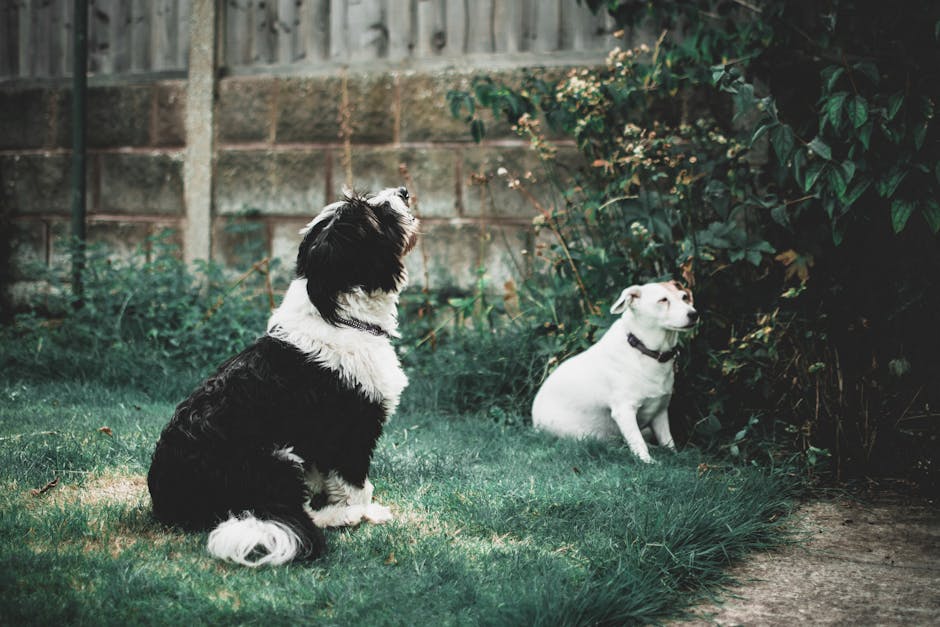
12 Common Spring Plants That Are Dangerous for Dogs
Review your garden for these frequent offenders. Removing or containing them can greatly reduce accidental poisoning risk. Here is DogDog’s expert-backed list, organized for fast action:
- Daffodils (Narcissus): Bulbs and even vase water are highly toxic. Symptoms appear rapidly—vomiting, diarrhea, drowsiness, heart rhythm issues.
- Tulips: Every part of the plant poses a risk, especially the bulb. Watch for drooling, GI upset, difficulty breathing, and heart disturbances.
- Hyacinths: Bulbs trigger drooling, vomiting, diarrhea if consumed.
- Bluebells: Contain heart-affecting toxins. Large dogs may tolerate small amounts, but ingestion by any dog is a genuine emergency.
- Rhododendrons & Azaleas: Extremely toxic. Even a leaf or two can cause severe GI and neurological issues, and in some cases, death.
- Amaryllis: Bulb is most dangerous. Look for symptoms like vomiting, lethargy, abdominal pain, tremors.
- Foxglove: All parts affect the heart and can be life-threatening.
- Crocuses: Spring and autumn crocuses can cause vomiting, diarrhea, and more severe neurological problems.
- Buttercups: Chewing the plant can irritate the mouth and GI tract.
- Primrose: Generally causes gastrointestinal upset if ingested.
- Cyclamen: Ingestion of roots is potentially fatal.
- Lupins: Toxic leaves and seeds.
For more in-depth dog-friendly yard and home ideas, see our guide on Dog-Friendly Home Upgrades.
Safe Spring Plant Alternatives for Dog-Friendly Yards
The good news? There are plenty of safe, colorful plants to fill your spring garden, offering just as much joy for you and your pup. Here are DogDog’s top recommendations, verified as non-toxic and resilient to curious sniffing or playful digging:
- Calendula: Orange and yellow flowers ideal for borders.
- Cornflower: Hardy blue blooms that create striking contrasts.
- Sunflowers: Towering favorites—seeds in small amounts are safe.
- Roses: Thornless types are safest. Petals are fine for dogs.
- Orchids: A sophisticated choice for mild climates.
- Snapdragons: Tall, vibrant, and fun for scenting.
- Zinnias: Easy to grow with bright colors.
- Asters: Extend color right into fall.
- Freesias: Delicate, fragrant, and safe.
- Marigolds: Easy-care and help deter pests naturally.

Step-by-Step: Creating a Dog-Safe Spring Yard
- Inspect your yard thoroughly: Look for—and carefully dig up—any bulbs or perennials from the toxic list above. Discard safely, keeping animals away from compost piles.
- Choose and plant 3–5 dog-safe alternatives: Mix heights and colors for variety. For example, sunflowers at the back for privacy, marigolds along borders, and zinnias or asters mid-bed.
- Use dog-safe barriers: Temporary chicken wire, garden fencing, or decorative stonework can deter curious diggers, especially near new plantings or recovering soil.
- Avoid cocoa mulch and chemical fertilizers: Cocoa mulch contains theobromine, harmful to dogs. Use untreated wood or cedar chips instead, and organic fertilizers only if your dog cannot access treated beds.
- Teach your dog boundaries and supervise outdoor time: Reinforce the “leave it” command with positive training and redirect energy to dog-approved toys or digging areas.
- Be emergency-ready: Always have your veterinarian’s number and know the signs of poisoning (e.g., vomiting within hours, trembling, lethargy). Keep the Pet Poison Helpline (888-426-4435) available for urgent questions.
Case in Point: Real-World Success for Shelter Dogs
DogDog’s mission centers around supporting both pets at home and those still waiting for families in shelters. For instance, Driving Miss Daisy—a Las Cruces puppy mill survivor—benefited from our donors with ear surgeries and specialist eye care. Her adopter followed DogDog’s safe planting recommendations, transforming a toxic garden into a haven of sunflowers, snapdragons, and roses. Daisy now explores safely, reminding us how small changes help every dog, from shelter rescues to lifelong companions.
Best Practices for Spring Landscaping with Dogs
- Regularly walk and inspect your yard to identify volunteer seedlings or escaped bulbs.
- Label plantings so all family members and caregivers know which areas are safe.
- Supervise dogs after rain or soil disturbance, as bulbs may surface and entice digging.
- Create dog-friendly zones with hardy grass or groundcover. Consider a sandbox or digging pit for breeds who enjoy burrowing.
- Support shelter dogs each time you search online—use DogDog to generate meals and medical care for pups in need while getting trusted pet advice.
Frequently Asked Questions: Spring Plants and Dog Safety
Which spring bulbs are most toxic to dogs?
Daffodil, tulip, hyacinth, and amaryllis bulbs can cause severe GI distress, heart symptoms, and even fatalities if eaten. Always remove or restrict access to these plants.
What symptoms indicate a dog may have eaten a poisonous plant?
Early signs include vomiting, diarrhea, drooling, difficulty breathing, tremors, or lethargy. If you notice any of these after garden time, contact your vet immediately.
Are there safe, colorful alternatives to tulips and daffodils for my garden?
Absolutely. Opt for calendula, snapdragons, roses (thornless), sunflowers, or zinnias. These offer seasonal color and are non-toxic for dogs.
How can I teach my dog to avoid eating plants?
Use positive reinforcement and commands like “leave it.” Supervise your dog in the garden and provide alternative, engaging toys or digging spots.
What should I do if my dog ingests a toxic plant?
Contact your veterinarian or Pet Poison Helpline (888-426-4435) immediately. Try to identify the plant and estimate quantity ingested.
Where can I learn more about safe practices for dogs year-round?
Browse the DogDog blog for practical safety tips, home upgrades, and actionable checklists for every season.
Conclusion
Creating a lush yard need not come at a risk to your dog’s health. By identifying and removing common toxic spring plants and replacing them with safe, colorful options, you can design an outdoor space that’s as joyful as it is secure. At DogDog, our commitment extends beyond the garden—every search supports better, healthier lives for shelter dogs nationwide. Let’s make spring an opportunity for beauty and wellbeing, one safe yard at a time.
(function(){if(window.blogViewTracked)return;window.blogViewTracked=true;var blogId=16235;var xhr=new XMLHttpRequest();xhr.open(‘POST’,’https://dogdog.frizerly.com/api/trackBlogView’,true);xhr.setRequestHeader(‘Content-Type’,’application/json’);xhr.send(JSON.stringify({blogId:blogId}));})();