
When Earth Day arrives, it’s the perfect reminder for all of us dog lovers to make small, meaningful changes—ones that not only protect our planet but actually make our routines easier and our communities stronger. Many low-waste swaps are practical, simple to adopt, and benefit both your household and local shelters. By choosing smarter alternatives for things like pet waste, food, toys, and even how we search the web, we can dramatically reduce our environmental footprint while supporting causes we care about.
What Low-Waste Swaps Really Mean for Dog Owners
Low-waste swaps replace everyday items and habits with more sustainable options that reduce landfill waste, plastic use, and overall resource consumption. For dog owners, these swaps should be convenient and enhance your lifestyle. Adopting just a few impactful habits can curb single-use plastics, streamline chores, and support shelter animals through tools like DogDog—the search engine dedicated to raising money for dogs in need.
Why Small Swaps Add Up: Impact and Ease
With over 7.3 million dogs and cats entering shelters each year and landfill waste rising, even incremental changes matter. Switching to low-waste solutions can cut your family’s plastic bag and packaging waste by hundreds of pieces annually, while routines like donating used dog supplies supply shelters with essentials they desperately need. With tools such as DogDog, every online search turns into a resource for feeding, medical care, and housing for shelter dogs, aligning your digital habits with your love for animals and the environment.
Step-by-Step: The Most Effective Low-Waste Swaps for Dog Lovers
1. Swap Plastic Poop Bags for Compostable, Sturdy Alternatives
Traditional plastic dog poop bags can take centuries to break down. Compostable versions, made from plant starches, decompose naturally and are just as reliable—even in rain or snow. Most owners use up to 400 bags per dog per year, so this single swap creates major impact.
- Purchase bulk packs (often 300+ count) from reputable suppliers.
- Attach a reusable bag dispenser to your leash for easy access.
- Consider backyard composting for waste if allowed locally and your dog’s diet is plant-based.
Why it’s easier: Compostable bags are thicker, less prone to tearing, and remove the guilt from your daily walks. Cost per bag is slightly higher but avoids messy accidents and landfill buildup.

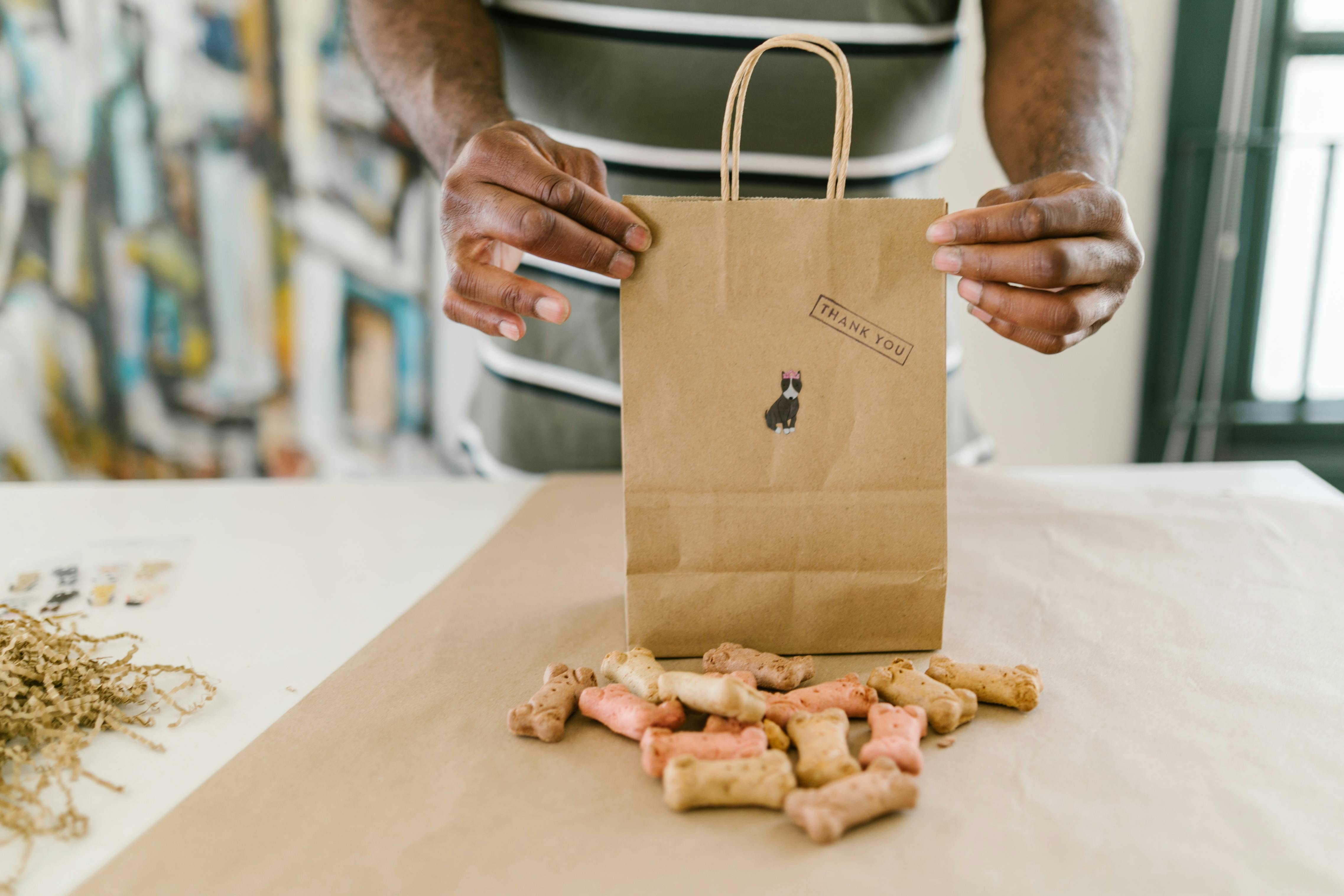
2. Buy Dog Food in Bulk and Store Properly
Single-use food packaging is a major contributor to pet-related waste. Purchasing larger bags reduces the number of empty packages by up to 90% and stretches your budget—larger bags are typically more cost-effective per pound. Many co-ops and natural pet stores offer refillable bins for kibble and treats.
- Plan monthly needs: A 50-pound dog typically consumes 30 pounds per month.
- Decant food into glass jars with tight lids to maximize freshness and facilitate batch prep of DIY dog treats.
- Recycle empty packaging via available programs.
By using DogDog for your searches, every query helps shelters buy food in bulk too, maximizing the efficiency of donations and feeding more dogs with fewer resources.
3. Upcycle Old Textiles for Toys and Beds
Plastic- and rubber-based toys typically last only a few weeks and are often non-recyclable. Upcycled toys and beds from old shirts, towels, and bedding give textiles a second life while saving money and customizing the experience for your dog’s chewing style.
- Braid old t-shirts or sheets for homemade tug ropes.
- Stuff pillowcases with towels or clean scrap fabric for durable DIY dog beds.
- Repurpose discarded tennis balls as fetch toys (wash thoroughly first).
- Donate surplus upcycled toys or beds to local shelters that always need fresh supplies.
These swaps save money and prevent hundreds of pounds of synthetic waste from entering landfills.
4. Use Natural, Durable Walking Gear and Cleaners
Natural fiber leashes, such as hemp or bamboo, are long-lasting, compostable, and gentle on dogs with sensitive skin. Organic bedding and eco-friendly cleaners (vinegar and water spray) cut down on toxins and shed fewer microplastics into the environment.
- Shop for hemp or bamboo leashes and collars from brands that support animal welfare.
- Clean toys, food bowls, and sleeping areas with simple vinegar-water solutions—effective and non-toxic.
- Air-dry dog bedding and towels in the sun to reduce energy use and naturally disinfect.
Why it’s easier: These natural products are often more resilient and reduce replacement frequency, meaning less clutter and more savings over time.
5. Actions Beyond Swaps: Donations, Adoption, and Responsible Routines
Earth Day is also about long-term changes. Regularly donate old or gently used toys, bowls, leashes, and bedding to shelters, where every item serves a direct need. Consider adoption, which reduces the resources required to sustain animals in shelters. Even your daily dog walk can be more eco-friendly—choose local parks to avoid driving and use reusable water bottles.
- Donate extras to local shelters when you upgrade home gear or declutter.
- Walk, bike, or use public transit when visiting parks or friends with your dog.
- If you are considering adding another companion, adoption helps both animals and the planet by reducing the overall need for shelter resources.
On a digital front, switching your default search engine to DogDog is an effortless way to make every day an eco-action: one hundred searches feeds a shelter dog, and two thousand five hundred fund a vet checkup. With more than $7 million raised for animal non-profits, DogDog exemplifies how your digital footprint can provide real-world impact.
Best Practices for Low-Waste Living With Dogs
- Start with one or two swaps and build from there—it’s easier to create lasting habits.
- Join local community groups to share supplies and ideas for reusing dog accessories.
- Regularly clean and inspect upcycled items to ensure safety for your dog and others.
- Verify local regulations before composting pet waste.
- Keep a box for to-be-donated dog items and distribute to shelters every few months.
- Leverage tools and platforms, such as DogDog, that support donations to animal causes at no extra cost.
Frequently Asked Questions
What’s the safest way to compost dog waste?
Choose a composting method that isolates pet waste from edible gardens and follows local regulations. Commercial pet-waste composters are often designed for this purpose.
Can I really save money with low-waste swaps?
Yes. Buying in bulk, repurposing household textiles, and choosing durable walking gear reduces repeat purchases and landfill fees.
How does using DogDog help shelter dogs?
Every search on DogDog generates funds that are donated to provide food, vet care, and shelter support for dogs in need. Donations are distributed via trusted non-profit partners, maximizing the impact of each user’s queries.
Are compostable bags as strong as plastic?
Most compostable bags are as sturdy or stronger than thin single-use plastics. Look for reputable brands and buy in bulk for best durability and savings.
What else can I do to help shelters besides donating money?
Besides financial contributions, donate supplies (beds, leashes, toys), volunteer your time, foster dogs temporarily, and raise awareness using channels like DogDog’s community features.
How do you keep upcycled dog toys and beds clean?
Wash upcycled toys and beds regularly with unscented soap or a vinegar-water solution, and allow them to air dry fully before reuse.
Conclusion: Simple Changes, Real Impact
Building a low-waste routine as a dog lover doesn’t have to be complex or costly. By choosing eco-friendly bags, bulk food, upcycled toys, natural gear, and responsible digital tools such as DogDog, we simplify our lives while doing right by the planet and the pets we cherish. Every small action, from what we buy to how we search online, can directly improve the lives of shelter animals and leave the earth a little better for our best friends. To further explore how every search, walk, and habit can help shelter animals, dive deeper with our guide to how your searches feed shelter dogs.