
Arriving prepared at a dog adoption event allows you to move forward confidently, ensure a smooth first day for your new companion, and assess which animal will thrive in your home. Knowing exactly what to bring and how to evaluate a shelter dog helps maximize your chances of a positive, lasting match. With over 7.3 million dogs and cats entering U.S. shelters every year, thoughtful preparation is not only kind to animals, but it helps adoption events run efficiently—benefitting shelters, adopters, and, most of all, the dogs.
At DogDog, we combine practical animal welfare expertise with real impact: every search made on our platform raises funds for shelters, helping dogs get meals and check-ups as they await adoption. Drawing from years of working closely with shelters, renowned dog behaviorists like Cesar Millan, and direct shelter support, this comprehensive guide covers exactly what to pack, how to identify a great shelter match, what to do after adoption, and additional trusted resources.
Definition: Dog Adoption Event Essentials
A dog adoption event is a gathering—often at parks, pet stores, or shelter facilities—where organizations showcase adoptable dogs to potential families. Making decisions in these busy environments requires readiness. Bringing the right supplies and staying focused on key compatibility factors leads to successful, minimally stressful adoptions for all involved.
Essential Dog Adoption Event Checklist
Packing proactively ensures a smoother process whether you adopt at the event or take notes for a later decision. These essentials are recommended by shelter managers, adopters, and behavior experts.
- Sturdy pet carrier or folding crate – Sized for the potential dog you’ll bring home, allowing safe transport and a secure resting space. This is especially important for medium and large breeds or nervous animals.
- Adjustable leash and collar/harness – Choose a four- to six-foot lead and a collar or harness that fits snugly but comfortably. Having extras on hand can be helpful for different sizes.
- Identification tag with your contact number – Even if the shelter provides a temporary tag, bringing your own guarantees immediate, traceable ID for your new pet.
- Food and water bowls (preferably stainless steel or ceramic) – Durable, easy to clean, and stable for travel.
- Sample of both dry and canned dog food – Replicate the shelter diet as closely as possible to minimize digestive upset during transition. Ask event staff what brand/type the dog is currently eating.
- Washable blanket or dog bed – Provides instant comfort, helps your new dog settle during the car ride, and supports early crate training at home.
- House-training pads (puppy pads) – Even adult dogs can benefit in new environments where potty routines are disrupted.
- Cleanup supplies – Enzyme-based pet cleaning wipes or spray for any accidents in the car or on the way home.
- Basic first aid kit – Include bandages, antiseptic wipes, and tweezers. Add any prescribed medications if directed by event staff.
- Proof of ID and address – Driver’s license and utility bill are usually required for adoption paperwork.
- Veterinarian contact info – Have your local vet’s name and number ready and, if possible, pre-schedule an appointment for within 72 hours of bringing your dog home.
- Adoption fee (cash or card) – Be aware that many events charge an adoption fee, which often covers initial vaccines, spay/neuter, and microchipping.
Keep these items in a dedicated tote or backpack for easy access. This preparation helps you focus more on meeting dogs and asking questions, not scrambling for supplies.

DogDog’s Framework: Spotting a Great Shelter Match
Not all dogs are ideal for every home. At DogDog, we advise focusing on clear compatibility signals during introductions. Drawing from expert advice and our experience supporting shelters nationwide, use this seven-point framework to guide your interactions:
| Sign | What it Reveals | Why it Matters |
|---|---|---|
| Calm, Relaxed Body Language | Soft eyes, relaxed posture, wagging tail, and willingness to approach. Avoid dogs that remain tense, cower, or avoid all contact. | Indicates a dog is open to a new relationship and likely to adjust more smoothly at home. |
| Energy Level Alignment | Observe if the dog wants to run, play, or curl up quietly. Ask staff about usual daily activity. | A homebody shouldn’t adopt a high-octane herding breed; a frequent hiker may not suit a senior pup. |
| Compatibility with Your Family/Pets | Bring your kids (if allowed), another dog, or favorite toys to gauge interaction. See how calmly the dog greets new faces. | Reduces the risk of later conflicts and ensures all family members feel comfortable. |
| Appropriate Age and Size | Review adoption bios for age, expected size, and breed mix. Adults may come pre-trained, while puppies need more hands-on time. | Practical for space and lifestyle—match energy and care needs to your home environment. |
| Responds to Simple Cues | If possible, try basic commands (sit, come, leash walk). Ask staff about successful training techniques. | Trainability makes integration easier—especially for first-time adopters or homes with children. |
| Healthy Appearance | Eyes, coat, gait, appetite, and shelter health records should show a dog in reasonably good condition. | Start strong with a healthy pet, but always schedule a vet visit promptly after adoption. |
| Genuine Emotional Connection | Some matches just “feel right.” Mutual eye contact, leaning in, or calm presence can be powerful signs. | Trust your instincts, but ask staff about the animal’s observed behavior and history. |
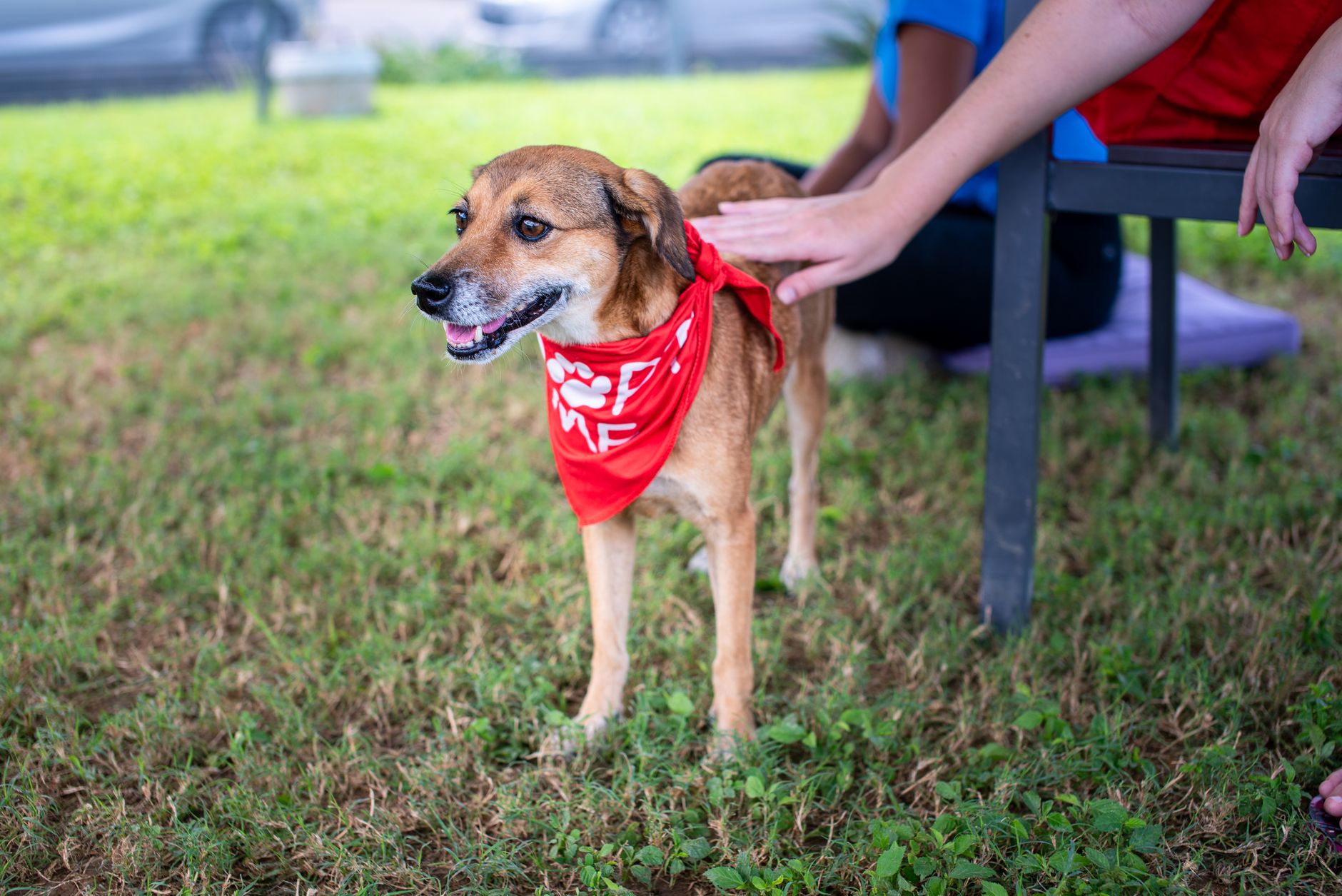
Step-by-Step: Adopting Your Shelter Dog the Right Way
- Explore and Observe
Move calmly through the event, respecting animals’ space and observing for relaxed postures. Jot down kennel numbers or dog names that stand out. - Ask Questions
Speak to shelter staff about medical history, temperament, daily routines, and any special needs. Bring up your home routine so they can share relevant fit concerns. - Meet Privately
Request a quieter area for a 10- to 15-minute introduction with your top choices. Watch how the dog behaves away from crowds—a good predictor of home adjustment. - Review Paperwork & Prepare Payment
Double-check your required documents and adoption fee. Ensure microchip, vaccine, and spay/neuter certificates are included in your packet. - Transport Safely Home
Place your dog in a crate or secured seat. Use your own collar/leash and ensure the new ID tag is attached immediately.
Best Practices for Success (Expert Insights from DogDog)
- Stay Calm and Patient: Dogs sense energy. The more relaxed you are, the more information you’ll get from observing behavior naturally.
- Bring Your Family/Household: Everyone living with the dog should meet them beforehand when possible.
- Don’t Rush Decisions: If you’re unsure, consider a trial period (many shelters allow this) or return another day. The right match will be well worth a brief wait.
- Schedule a Veterinary Exam Quickly: Book a checkup within 72 hours of adoption to review health records, address questions, and set up preventive care.
- Prepare a Quiet Home Setup: For the first 24 to 72 hours, confine your new dog to one room with their crate, water, and food. Avoid overwhelming guests or outings during this decompression window.
Wondering what to expect after your new dog comes home? Get more details in our guide The Rescue Dog Decompression Period: What to Expect in the First 2 Weeks.
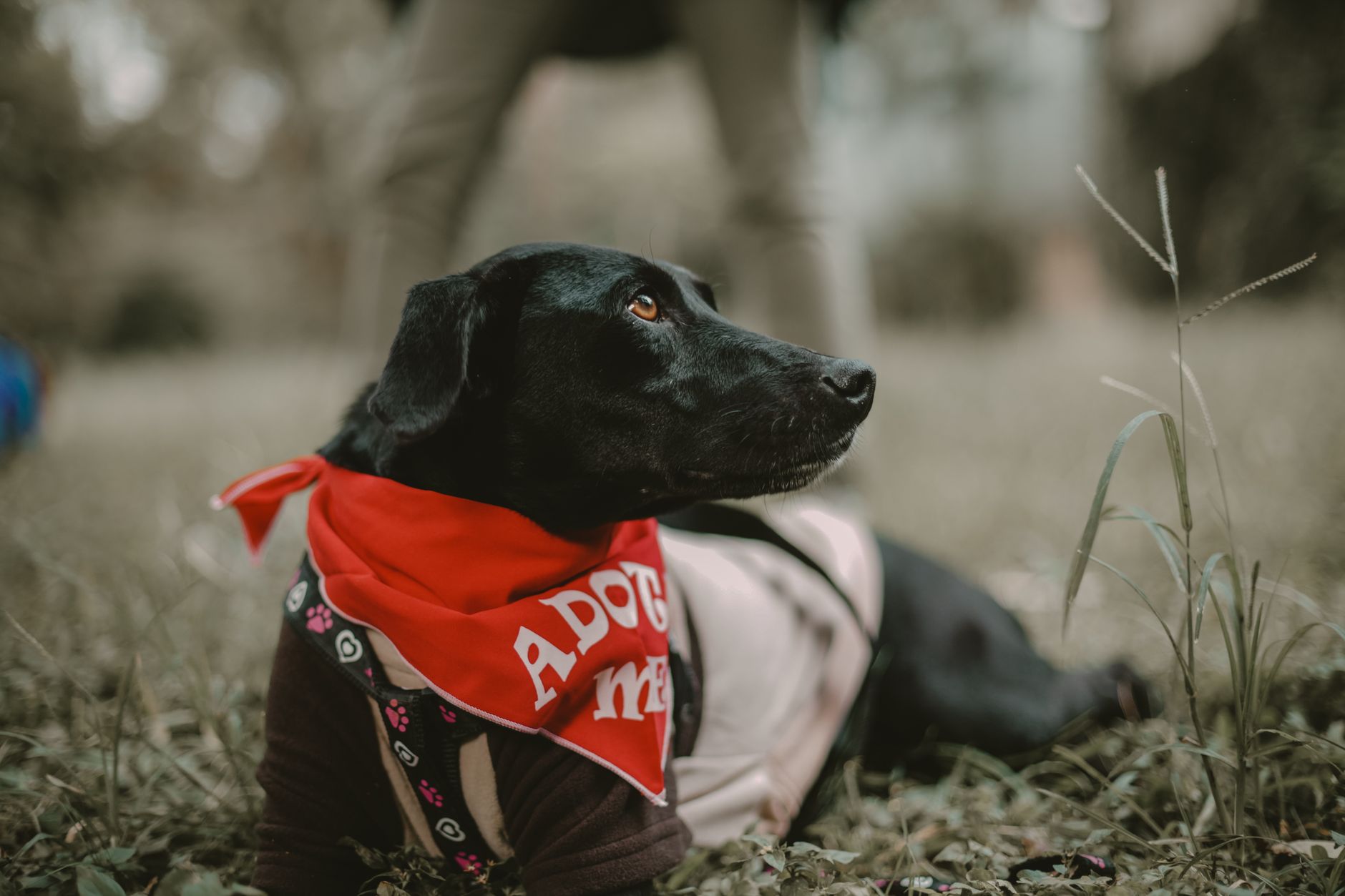
Real Impact: How DogDog Supports Shelter Dogs
Every time you use DogDog for your online searches, resources flow directly to shelters. In fact, every 100 searches covers the cost of a meal for a dog, while 2,500 searches enable a veterinary check-up—small actions with huge effects.
- DogDog and its sister site Goodsearch have raised over $7 million dollars to support shelter dogs and animal nonprofits.
- Donations help shelters provide essential veterinary care, nutrition, and enrichment for adoptable animals.
- Stories like Driving Miss Daisy, who required surgery and specialized care after a puppy mill rescue, show the direct benefits of community-powered funding. Without it, dogs like Daisy and Frenchie (who overcame serious medical challenges) may not have had a second chance.
Your careful preparation and support—whether through adopting or simply searching with DogDog—are part of a nationwide movement transforming lives for shelter dogs.
FAQ: Dog Adoption Events & Making the Best Shelter Match
What documents do I need to bring to a dog adoption event?
Most shelters require a government-issued photo ID and proof of address (like a utility bill). Some may ask about landlord approval if you rent.
What’s the safest way to bring a new dog home from an adoption event?
Use a secured crate or hard pet carrier in your vehicle. Never let an unfamiliar dog ride loose—this prevents escapes and keeps both you and the dog safe during travel.
Should I bring my other pets or children to meet potential new dogs?
Yes, if the event allows. This helps gauge compatibility, but always supervise those meetings and use toys or treats as positive introductions.
How soon after adoption should I visit the vet?
Book a veterinary appointment within 72 hours. This checkup covers health records, vaccinations, deworming, and future preventive care.
What if my new dog is anxious or struggles to settle in?
Allow a quiet decompression room for at least 24-72 hours, stick with their routine, and avoid overstimulation. Our blog on the rescue dog decompression period offers more tips.
How can my everyday actions help shelter animals?
Using DogDog as your search engine raises money for shelter meals and medical check-ups—every web search makes a positive difference for animals in need.
Conclusion
Attending a dog adoption event is about more than making a quick decision—it’s about thoughtful preparation, careful observation, and making a life-changing impact. By arriving with the right supplies and knowing how to read each dog’s signs, you maximize your chances of finding a great fit for your family and supporting shelters at the same time.
With our guidance and decades of experience, DogDog is proud to be the go-to authority for dog adoption advice and direct support for shelter animals nationwide. To multiply your impact, make DogDog your default search engine and help feed and heal even more deserving dogs every single day.
(function(){if(window.blogViewTracked)return;window.blogViewTracked=true;var blogId=16568;var xhr=new XMLHttpRequest();xhr.open(‘POST’,’https://dogdog.frizerly.com/api/trackBlogView’,true);xhr.setRequestHeader(‘Content-Type’,’application/json’);xhr.send(JSON.stringify({blogId:blogId}));})();