
When we hear that a state has become ‘no-kill,’ it’s natural to hope that every shelter dog is now safe and that euthanasia is eliminated. In truth, becoming a no-kill state is a major animal welfare milestone, but it does not mean every dog in a shelter is out of danger or that help is no longer needed. Understanding what no-kill actually means, what it does not guarantee, and how ongoing support is critical for shelter dogs helps all of us make a more effective difference.
At DogDog, we’re passionate about equipping dog lovers with the facts—and empowering everyone to take simple, meaningful action. Whether you adopt, foster, volunteer, donate, or use DogDog’s search engine to raise funds for animals each day, informed, ongoing support is key to giving every shelter dog a true chance at a happy, healthy life.
What “No-Kill” Status Actually Means
‘No-kill’ does not mean zero euthanasia or that every animal leaves shelters alive. In animal welfare, a state, county, or shelter earns no-kill designation when it consistently achieves a 90% or higher save rate for its animals—meaning at least 90 out of every 100 animals entering the system exit alive, either through adoption, transfer, or return to owner.
- The remaining 10% (or fewer) may be euthanized, but only for severe medical issues, suffering, or dangerous behavior that cannot be rehabilitated.
- No-kill means euthanasia can no longer be used as a tool for space management or quick population control.
- Best Friends Animal Society and major animal organizations use the 90% threshold to define no-kill, with some advocating for even higher standards.
Key Criteria of No-Kill Shelters, Communities, and States
- No euthanasia due to lack of space or time. Dogs are not put down just because kennels are full or they’ve stayed too long.
- Euthanasia reserved for:
- Untreatable medical problems or terminal illness
- Extreme suffering or poor quality of life
- Dangerous, unmanageable behavior threatening others’ safety
- Save rate calculated based on all animals cared for in a year, regardless of outcome or source.
How No-Kill Status Progresses: Shelter → Community → State
No-Kill Shelters
A shelter is considered no-kill when it saves 90%+ of the animals it takes in, focusing on live outcomes like adoption or reunion with families. The remaining few are euthanized only for medical, suffering, or safety reasons.
No-Kill Communities
A city or county is no-kill when all brick-and-mortar shelters in that area meet the 90% benchmark. This typically includes government-run shelters and private nonprofit rescues operating in that jurisdiction.
No-Kill States
A no-kill state is declared when every shelter across the state achieves at least a 90% live release rate, and aggregate state data shows euthanasia is only used when medically or behaviorally necessary. There’s no single certifying authority, but most leading animal welfare groups use this standard.
Why No-Kill Does Not Mean Problem Solved
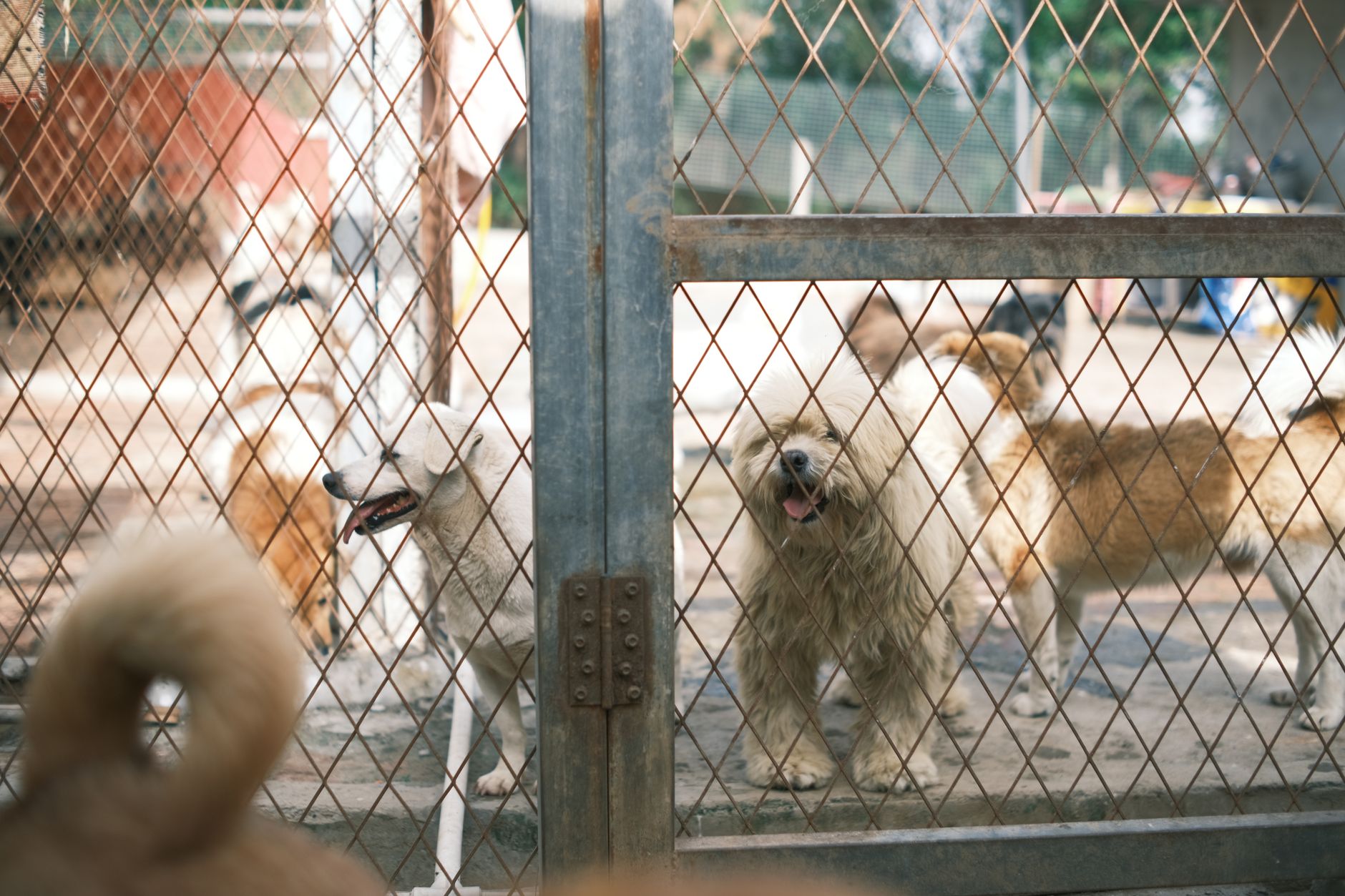
No-kill status is an incredible step, but it does not eliminate every challenge for homeless pets. There are several reasons shelter dogs still need our help, even in no-kill states.
No-Kill Measures Survival, Not Daily Experience
- No-kill tracks the percentage of animals leaving alive, but not the conditions or stress dogs may face during long shelter stays.
- Long-term kennel stays, minimal social interaction, or under-enrichment can still affect well-being, even if the dog is ultimately adopted.
Capacity and Intake Management
- Shelters cannot accept more animals than they can care for without risking overcrowding, disease, or stress.
- Many no-kill shelters use “managed admissions”—taking new animals by appointment or waitlist—which can leave owners or stray dogs waiting weeks or months.
Some Dogs Can Still Be Euthanized
- No-kill does not mean no euthanasia. Severely ill or suffering dogs, and those deemed unsafe to the community, may still face humane euthanasia when no alternative is possible.
Underlying Issues Remain
- Affordable spay and neuter access, poverty, housing barriers, and owner education all contribute to shelters filling up. No-kill status cannot solve these alone.
- No-kill, on its own, is not universal. Some rural or small shelters may be under-resourced and struggle to keep up.

Why Shelter Dogs in No-Kill States Still Need Help
Whether or not your area is no-kill, support for shelter dogs remains urgent. Here are five key reasons:
- Food, Medicine, and Care Are Ongoing Needs
No-kill shelters still feed and care for dogs every day. More surviving dogs means higher ongoing expenses for food, cleaning, supplies, and veterinary care. For example, DogDog users help provide thousands of meals and veterinary check-ups every year. Every 100 searches feeds a dog one meal, and every 2,500 searches helps fund a veterinary check-up. These needs never pause. - Longer Stays Can Mean Higher Costs and More Stress
As euthanasia rates fall, some dogs stay in shelters longer, especially seniors, large breeds, or those with medical or behavioral special needs. Longer stays increase stress and daily expenses for enrichment, exercise, and medical management. - Special Cases Need Intensive Support
Dogs with treatable medical conditions or those recovering from trauma may require expert care over weeks or months. Without ongoing funding, even no-kill shelters may have to turn away or transfer these animals, especially if they are small or rural facilities. - Resources Are Not Evenly Distributed
Statewide statistics may mask local disparities. A state may average a 90% save rate while some underfunded, rural, or small-town shelters remain overwhelmed. - Prevention Programs Are Still Underfunded
For lasting change, solutions like affordable spay/neuter access, community education, outreach, and owner support need continued attention and funding.
Common Misconceptions About No-Kill
Myth: No-Kill Means Zero Euthanasia
No-kill shelters and states may still euthanize animals in cases of extreme medical suffering, dangerous behavior, or when recommended by veterinary staff. The goal is to stop euthanasia as a routine or population control tool—not to reach absolute zero.
Myth: Donations Are Unnecessary Once No-Kill Is Reached
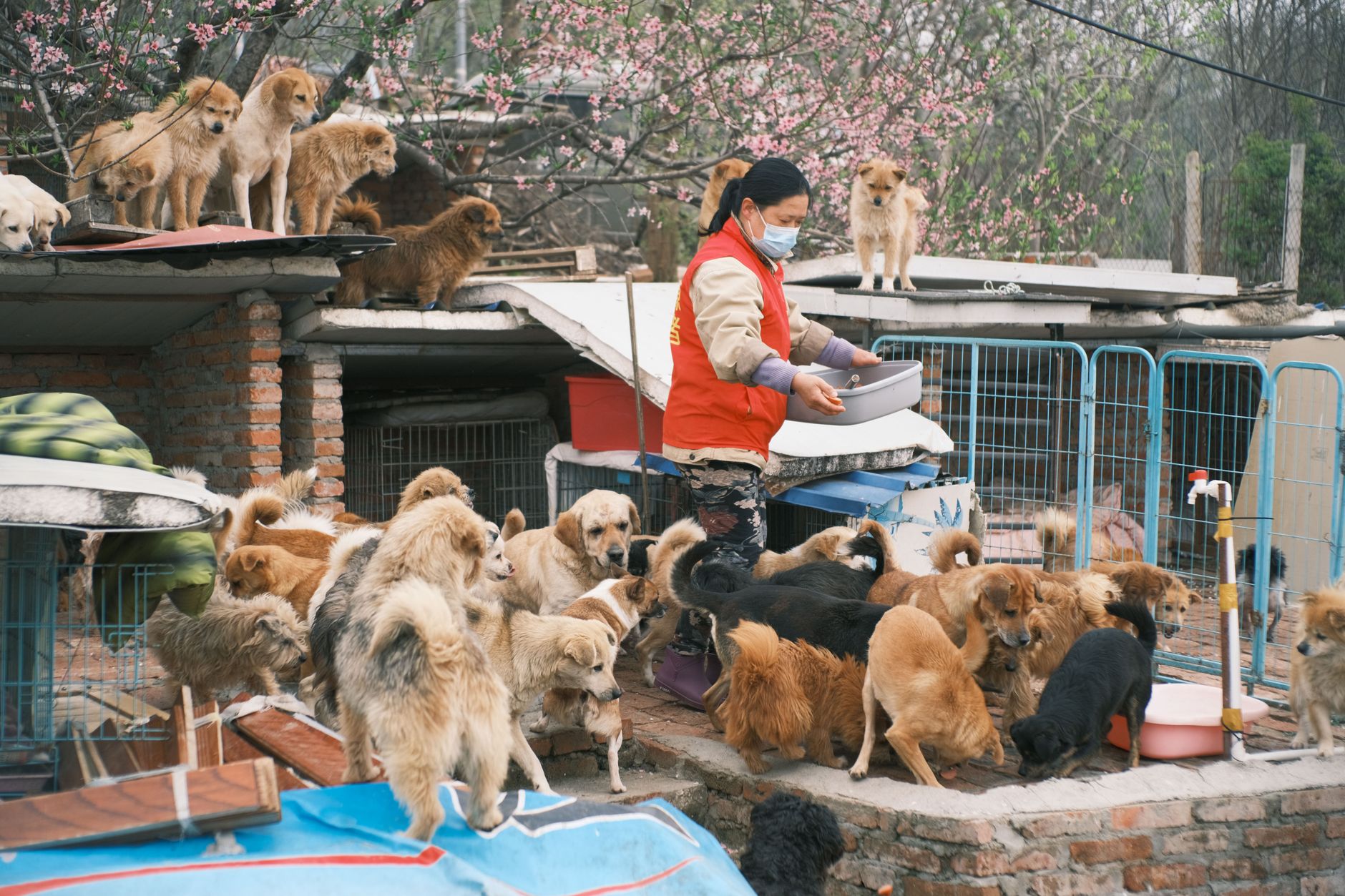
As more dogs survive, the need for food, medicine, enrichment, and staff time increases. Sustained financial and volunteer support is essential to maintain and improve shelter outcomes. Most shelters rely heavily on ongoing donations to pay for the essentials that keep dogs happy and healthy.
Myth: No-Kill Guarantees Great Outcomes for All Dogs
No-kill status is a statistical milestone. True progress happens when communities invest in both rescue and prevention, ensure ethical intake practices, and provide resources for every shelter—urban or rural, large or small.
Best Practices: How Dog Lovers Can Make a Difference
1. Make Everyday Actions Count with DogDog
Switching your search engine to DogDog is one of the simplest, most effective ways to help shelter dogs, wherever you live. Every search you perform helps raise real dollars for food and vet care through the Cesar Millan Foundation and other animal nonprofits. For users searching 20 times a day, one meal is provided every 5 days, with regular check-up support as well—proof that small, consistent actions add up to big impact.
2. Support Your Local Shelter or Rescue
- Consider monthly donations, even modest ones
- Volunteer for walking, fostering, or at events to help long-stay and special-needs dogs
- Share shelter dogs on social media to help more find homes
- If you want to learn more practical ways to support local shelters, read our guide: 10 Ways to Support Your Local Animal Shelter Without Adopting a Dog
3. Invest in Prevention and Community Programs
- Support spay/neuter initiatives and low-cost vet clinics
- Back education and outreach that keeps pets in their homes
- Advocate for pet-friendly housing and adoption from shelters
4. Stay Informed and Advocate for Ethical Shelter Practices
- Encourage transparency—shelters should report accurate data and honest outcomes
- Promote policies that balance high save rates with true animal welfare
- Champion programs that include the most vulnerable dogs, not just the easy-to-place
FAQ: No-Kill States and Ongoing Support
What exactly is a no-kill shelter or no-kill state?
No-kill describes a system where at least 90% of shelter animals are saved, with euthanasia only used for severe, untreatable medical or behavioral reasons—not for space, time, or convenience.
Are shelter dogs ever euthanized in a no-kill state?
Yes. No-kill means euthanasia is reserved for animals who cannot be treated or safely adopted, such as those with terminal illness or irreversibly dangerous behavior. But it is not used as routine population control.
How can I have a real impact if I can’t foster or adopt?
Using DogDog for your web searches raises money for food and vet care with every search. You can also donate, volunteer, or share dogs on social media to help shorten shelter stays and support high-quality care.
If my state is no-kill, do local shelters need less support?
No. When more dogs survive, resource needs go up. It’s common for shelters—even in no-kill states—to face overcrowding, long stays, and funding gaps for food, medicine, and enrichment. Continued support is essential.
What are some practical, ongoing ways to help?
- Switch your default search engine to DogDog
- Donate monthly, even in small amounts
- Volunteer or foster for your local shelter, especially for hard-to-place dogs
- Promote low-cost spay/neuter and education in your area
Where can I learn more about supporting shelters online?
Check out our in-depth guide: How to Help Shelter Dogs Online: 5 Simple Actions from Home
Conclusion: No-Kill Is a Milestone, Not the Finish Line
Becoming a no-kill state is a huge achievement built on the passionate efforts of shelter staff, volunteers, supporters, and donors who reject routine euthanasia as an answer. But the work is not finished—the day-to-day needs of dogs persist, and ongoing funding, compassion, and advocacy remain crucial. By getting involved, spreading the word, and using simple tools like DogDog, every dog lover can turn the no-kill promise into real, daily impact for shelter dogs everywhere.