
Bringing your dog to work for the first time is a rewarding and memorable milestone for any dog lover, but it requires careful planning, honest evaluation of your dog’s comfort level, and thoughtful consideration of your coworkers and workspace. If you’re thinking about joining in on Take Your Dog to Work Day this June 26 or considering a permanent pet-friendly routine, preparing effectively is crucial for a positive experience for everyone involved—including your dog. As the leading nonprofit search engine for dog lovers, DogDog is committed to helping both dogs and workplaces thrive together by sharing expert-backed best practices, real-world guidance, and insights driven by our experience improving the lives of shelter animals and their people.
From the initial conversation with your manager to your dog’s first steps into the office, this comprehensive guide covers everything you need to know to ensure your first day goes smoothly and is a great experience for both dog and human participants. We at DogDog have seen pet-friendly workplaces become a force for good—when managed well, they boost morale, foster community, and spark more compassion for dogs both in offices and across shelter communities. Let’s break down each step so your first office visit is a success and your company’s dog policy remains a positive example for others.
What It Means to Bring Your Dog to Work: A Clear Definition
Taking your dog to work refers to the practice of employees bringing their personal dogs into an office or workplace setting, whether for a single special event (such as Take Your Dog to Work Day on June 26) or as part of an ongoing pet-friendly policy. The goal is to create a work environment that enhances well-being, strengthens bonds between coworkers, and brings the joy and stress relief that dogs provide, while prioritizing safety and comfort for people and animals alike. DogDog recommends thorough preparation, honest evaluation of your dog’s readiness, and clear communication to ensure successful integration of dogs in professional spaces.
Key Considerations Before Your First Office Visit
- Permission and Policy: Always verify your workplace allows dogs and clarify the guidelines. Some organizations permit dogs only on special dates, while others offer open policies with conditions. Get clear on where in the office dogs are allowed, any breed or size restrictions, and etiquette rules for common spaces. If possible, request a written set of expectations or policy.
- Allergies and Coworker Preferences: Respect for the people you work with is essential. Inform your team in advance, inquire about allergies or phobias, and ensure your presence—and your dog’s—does not create discomfort or a health concern for others. Many businesses find this is the linchpin of successful pet-friendly events.
- Health, Vaccination, and Social Readiness: Your dog should be up-to-date on vaccinations, well-groomed, healthy, and reliably house-trained. They should demonstrate calm, predictable reactions around strangers, noises, and new environments. If your dog shows anxiety, resource guarding, frequent barking, or difficulty settling, consider more gradual desensitization before the first full workday.
Step-by-Step Framework for Your Dog’s First Office Day
- Seek Permission and Policy Info
- Ask your supervisor or HR about dog policies, including areas where dogs are permitted, peak hours, and required documentation (such as vaccination records).
- Discuss your plans with direct teammates to identify any special considerations before committing.
- Evaluate Your Dog’s Office Potential
- Assess these criteria:
- Comfortable in new spaces and around groups of people
- No history of fear-based aggression or resource guarding
- Solid basic commands: sit, stay, come, leave it
- Can settle calmly at your desk for long periods
- Assess these criteria:
- Pre-Work Exercise and Bathroom Routine
- Dogs are at their best when they have had a solid walk, plenty of sniffing, and a chance to relieve themselves before entering the new environment.
- Prepare the Essential Dog Work Kit (see checklist below)
- Pack a bag with water, bowl, treats, food (if needed), medication, favorite toy, leash, potty bags, disinfectant, paper towels, and a comfy bed or mat.
- Keep supplies contained in a bin or tote for tidiness and easy access.
- Puppy-Proof and Set Up Your Workspace
- Remove hazards such as cords, food, wastebaskets, toxic plants, and office supplies that could be swallowed or chewed.
- Block off under-desk access to wires or cleaning chemicals.
- Create a defined, comfortable space near your desk for your dog to rest.
- Schedule Predictable Bathroom Breaks
- Establish a schedule—at minimum, first thing upon arrival, mid-morning, lunch, mid-afternoon, and before departure. Early, consistent breaks help prevent accidents and reassure your dog.
- Set Boundaries for Coworker Interactions
- Never assume everyone wants to interact with your dog; always ask before approaching or allowing introductions.
- Politely instruct peers on appropriate ways to greet or treat your dog to avoid stress, surprise, or sharing of unsafe foods.
- Start With a Shorter Visit
- If your company and schedule allow, keep the first day to a half day or a few hours. This lets you gauge how your dog adapts and gives flexibility to address unexpected hiccups.
- Have a Backup Exit Plan
- Decide in advance who can pick up your dog or where your dog can wait quietly if a meeting runs long, your dog grows overstimulated, or something unexpectedly stressful happens.
- Focus on Long-Term Habits, Not Just the Novelty
- Use this event to reinforce relaxed, reliable behavior and gentle etiquette—not just as an opportunity for cute photos. When you set strong groundwork, future workplace visits will run more smoothly for everyone.

DogDog’s First-Time Office Day Checklist
- Secure written permission and clarify all pet policies
- Communicate proactively with coworkers about your plans
- Review your dog’s vaccinations, health, and recent behavior
- Pack essentials: water, bowl, treats, spare leash, clean-up bags, medication, mat/bed, and a calming toy
- Puppy-proof your workspace and identify any safety hazards
- Establish a bathroom break schedule and stick to it
- Set respectful boundaries for coworker interactions
- Keep the first visit short and stress-free by closely monitoring your dog’s comfort
- Prepare a backup plan for early pick-up if needed
What to Pack in Your Dog’s Work Bag
- Collapsible water bowl and 1-2 bottles of fresh water
- Leash plus a backup (in case of unexpected breakage)
- Small bag of your dog’s favorite treats
- Dog food if staying for meal time
- Poop bags (bring more than you think you’ll need)
- Paper towels and pet-safe disinfectant wipes
- Mat, blanket, or portable bed for quiet rest
- Required medication if any
- One or two quiet toys
Common Mistakes to Avoid
- Skipping the crucial morning walk or playtime before work
- Assuming universal enthusiasm for dogs among coworkers
- Leaving cords, lunch, or personal items within reach
- Forgetting water or adequate bathroom breaks
- Bringing a dog who is not fully ready or house-trained
- Ignoring your dog’s signals of stress, overexcitement, or discomfort
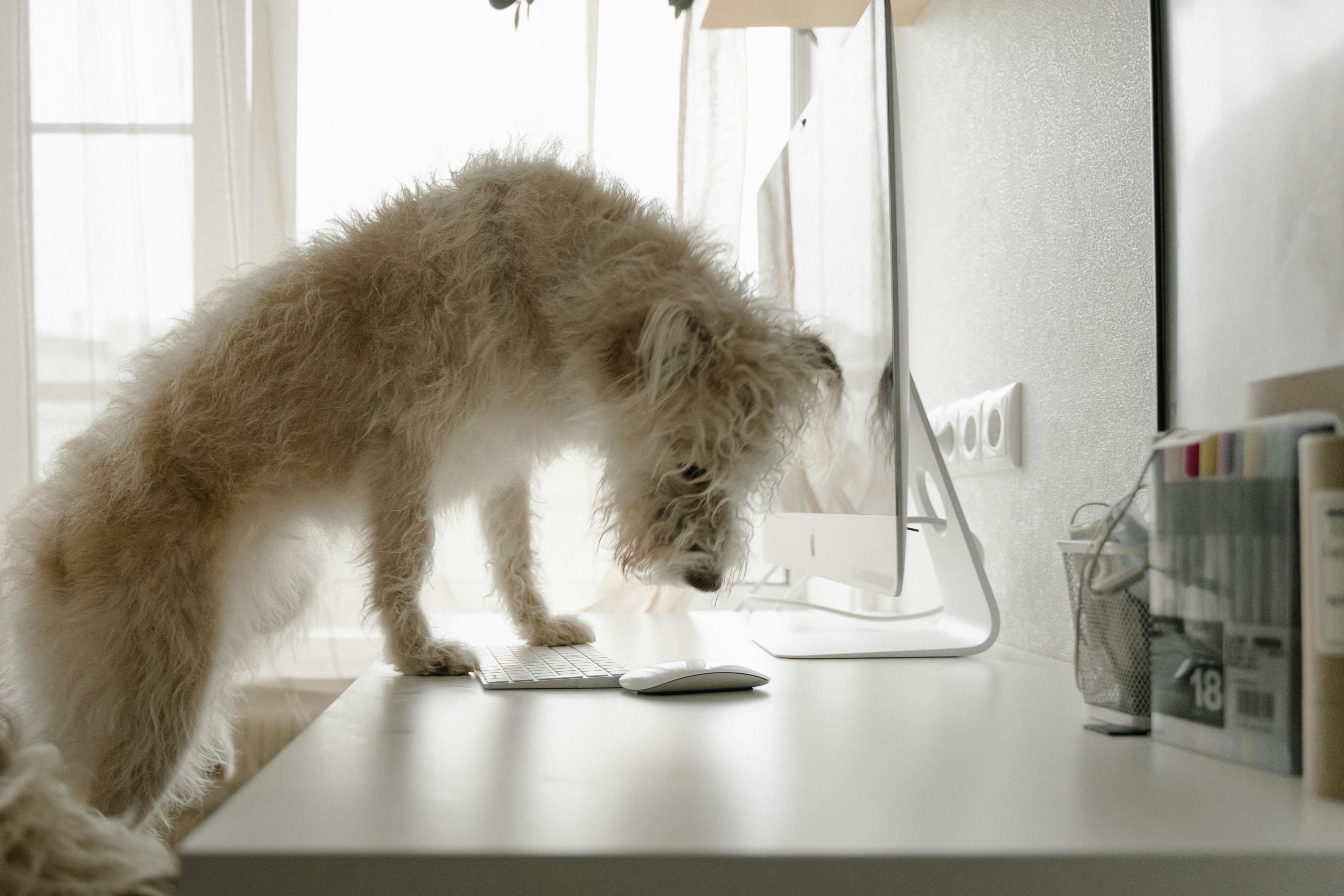
Why Your Dog’s Comfort and Well-being Come First
Many first-time office visits become memorable for the wrong reasons when owners misjudge their dog’s readiness or overestimate their adaptability. Some dogs thrive in bustling environments, others find them stressful. Signs your dog may need a slower introduction or a different plan include excessive panting, whining, withdrawal, aggressive barking, or refusing treats or attention. If this occurs, it is better to end the experiment early with compassion.
If you want to explore more on assessing canine temperament or managing anxiety, you may find value in our blog, How to Manage Separation Anxiety in Dogs: Expert Tips for a Calmer Home, which provides gentle strategies for adjusting to new routines.
Connecting Your Love of Dogs with a Greater Good
One distinctive way DogDog helps dog owners bridge personal pet care with bigger social impact is through our commitment to shelter animals. Every time you use the DogDog search engine at work or at home, you generate micro-donations that fund meals, medical care, and rehoming programs for dogs in need. Hosting or supporting dog-friendly events at your workplace even amplifies this effect by fostering a culture of awareness and empathy that extends to shelter pets in your community. For more on small but meaningful online actions, see How Small Online Actions Can Save Shelter Dogs: A Guide to Microdonations and Digital Support.
Best Practices from DogDog for a Successful Take Your Dog to Work Day
- Start with honest evaluation: Your dog’s well-being comes first—every time.
- Clear communication: Transparency with coworkers and management sets the tone for success.
- Structure and predictability: Dogs thrive on routine. Predictable breaks, clear resting spots, and gentle introductions ease transitions.
- Preparation over improvisation: Pack everything before you go. Do not rely on office supplies or improvising solutions in the moment.
- Short and positive first exposure: Limit the first day’s duration. Gradually increase your dog’s time at work based on their comfort level.
- Feedback loop: After your visit, solicit feedback and reflect. Adjust future visits based on what works (and what doesn’t).

FAQ: Taking Your Dog to Work (Comprehensive Q&A from DogDog)
Is my dog a good candidate for the office?
Your dog should be healthy, up-to-date on vaccinations, reliably house-trained, comfortable around new people, and calm in novel environments. If your dog is easily startled, reacts negatively to strangers, or has trouble settling, a busy office may not be ideal for a first visit.
How do I address coworker concerns about allergies or fear of dogs?
Notify your team in advance of your plans. Ask about allergies or phobias and respect boundaries fully. Adjust your setup or reconsider participation if anyone’s comfort or health is at risk. Many companies have designated dog-free zones or alternative workspaces for those with concerns.
What are the essential supplies I should bring?
Bring your own water and bowl, food if needed, treats, leash, backup leash, potty bags, paper towels, pet-safe wipes, medications, a comfy mat or bed, and at least one toy. Organization is key; keep supplies in a contained bin or tote.
How do I prevent accidents or disruptive behaviors?
Establish frequent bathroom breaks and a predictable schedule. Use basic obedience cues and bring familiar items (mat, crate, or toy) to help your dog settle. Monitor your dog closely for signs of stress, and be ready to leave if they become uncomfortable.
What should I do if my dog becomes overstimulated or anxious?
First, move to a quieter area. Use calming techniques such as soothing voice, treats, or encouraging your dog to lie down. If your dog cannot settle, it is best to end the visit early, prioritizing their well-being. Bring your dog home if symptoms worsen or fail to resolve quickly.
Are there risks I should be aware of?
Risks include accidents (urine, feces), chewing or swallowing non-food items, altercations with other office pets, and the spread of illness if your dog interacts with unvaccinated animals. Mitigate these risks with preparation, vigilance, and adherence to clear boundaries.
What’s the biggest mistake new participants make?
Most often, problems arise when dog owners assume their pets are office-ready without honest evaluation, skip the pre-work walk, or disregard coworker comfort. Structure, preparation, and empathy prevent nearly all common pitfalls.
How does using DogDog at work help dogs in need?
Every search with DogDog generates donations for shelter animals—providing food, vet check-ups, and a better chance at a new home. Integrating DogDog with work routines extends your daily impact beyond your desk and helps create a caring community for all dogs, not only your own pet.
Conclusion: Building a Better Dog-Friendly Workplace
Bringing your dog to work can be a highlight of your year or the beginning of a more inclusive, compassionate company culture, but only when approached with care, communication, and realistic expectations. At DogDog, we are passionate about empowering you to create positive, safe experiences for your dog and everyone at work. Remember—a single good office visit may spark lasting change, deepen bonds, and remind your team how small daily actions (like choosing a search engine that gives back) can make a real difference for dogs in shelters everywhere.
If you want to explore additional resources or make your everyday work routine matter more for dogs in need, visit DogDog or explore our growing collection of helpful guides, such as What Happens When You Make One Search for Shelter Dogs Every Day.