
Each summer, animal shelters across the United States encounter a predictable surge of incoming dogs and cats, leading to overcrowded kennels and strained resources. This seasonal crowding is driven by factors such as higher birth rates, increased pet surrenders, and reduced adoption rates as families travel. For dog lovers and anyone passionate about animal welfare, understanding these patterns is the first step toward making a tangible difference for shelter animals during their most vulnerable months.
What Is Summer Shelter Overcrowding?
Summer overcrowding refers to the sharp increase in the number of animals housed in shelters, most notably from late spring through early fall. This surge overwhelms available space and resources, intensifying stress for dogs and complicating the work of animal care staff. According to DogDog, this recurring crisis is not random but the result of several interlinked patterns in animal population dynamics, economics, and social behaviors.
Why Summer Is the Most Challenging Time for Shelters
- Puppy and Kitten Season: Warmer weather triggers increased breeding in unspayed and unneutered pets. Litters are born outdoors and brought into shelters, resulting in a dramatic uptick in admissions.
- Economic Pressures: Rising pet care costs, housing insecurity, and rental restrictions lead many families to make the heartbreaking decision to surrender pets, especially at lease renewal times and when summer expenses climb.
- Veterinary Shortages: Access to affordable spay/neuter and veterinary services is further limited in many regions during the summer, helping drive up the number of accidental litters and untreated medical conditions.
- Drop in Adoptions and Fostering: Many people travel or have less time for new pets during summer, slowing the rate at which animals leave the shelter.
- Lack of Awareness: Not all pet owners understand the seasonal pressures or the impact of delaying sterilization or surrenders until summer.
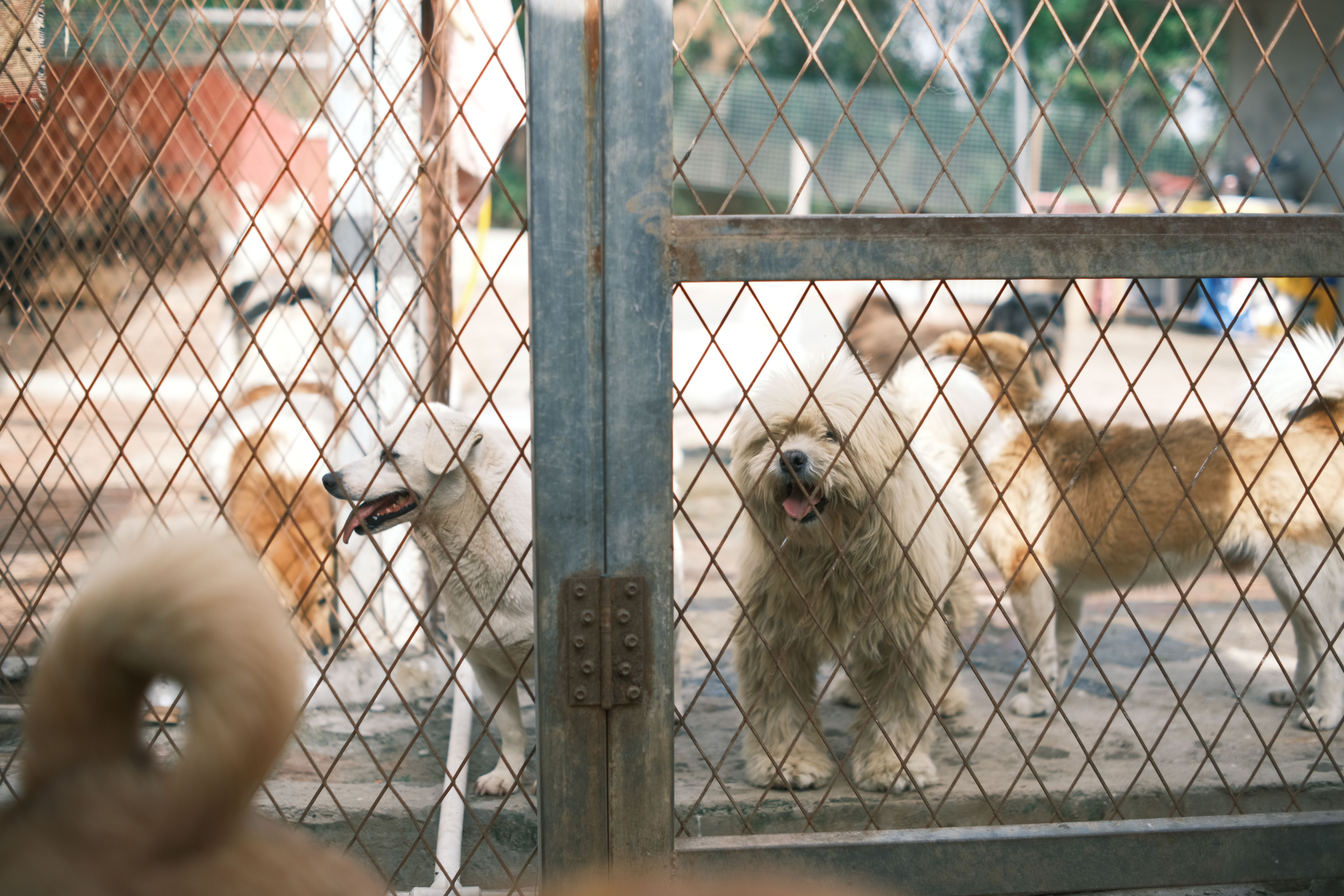
The Impact of Overcrowding on Shelter Dogs
- Increased stress and anxiety for animals, often leading to behavioral issues and diminished adoptability
- Greater risk of spreading infectious diseases in close quarters
- Limited staff and volunteer resources reducing the attention and care each dog receives
- More dogs housed in unsuitable spaces, like hallways, storage rooms, or outdoors
This environment makes it even harder for dogs to show their true personalities to potential adopters, compounding the risk of long-term shelter stays.
Step-by-Step: How Summer Overcrowding Happens
- Unplanned litters born in spring and summer result in more puppies entering shelters
- Housing transitions at the end of leases and increased travel lead to more surrenders
- Fewer adoptions and foster placements as families focus on summer activities
- Restrained resources cause shelters to reach and exceed capacity
Best Practices for Dog Lovers to Help During Summer
DogDog is dedicated to making it easy for anyone to support shelter animals, not only through direct action but by integrating small acts of generosity into daily digital habits.
1. Adopt or Foster
Adopting or fostering a dog during summer directly relieves shelter crowding. Even a short-term foster (7–14 days) can free up a kennel and provide crucial insights into a dog’s personality, helping them find a forever home.
See more tips on preparing for adoption events and matching with the right shelter dog.
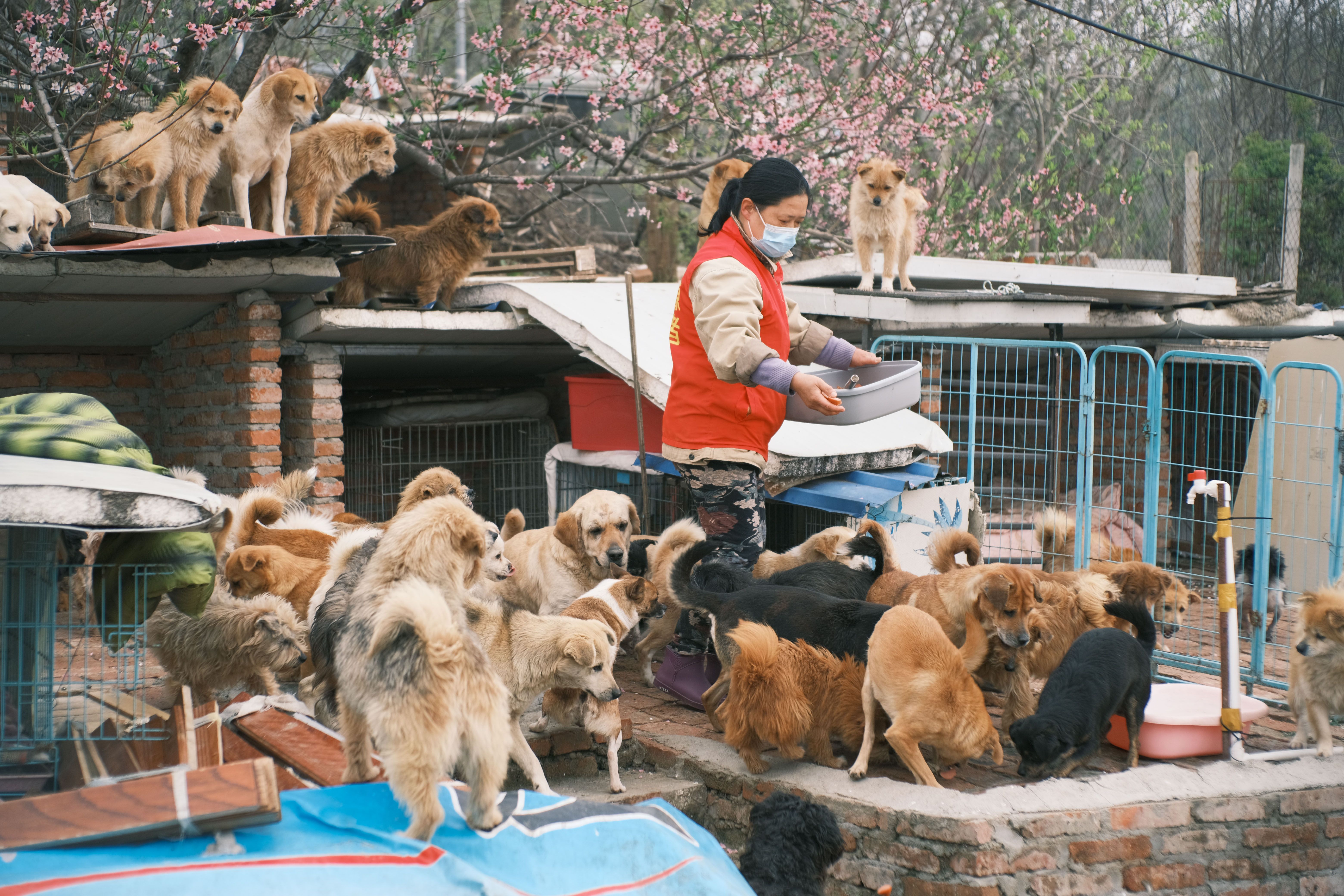
2. Spay or Neuter All Pets—And Promote It
- Plan spay or neuter surgery for your own pets before spring or summer to prevent contributing to seasonal surges
- Use and share information about low-cost sterilization programs in your area
This is consistently cited by experts and shelters as the single most effective way to reduce intake numbers in future summers.
3. Donate Money, Supplies, or Time
Many shelters rely on donations and volunteers to bridge gaps in food, medicine, and animal care. Consider:
- Donating funds to cover emergency vet bills or buy bulk pet food
- Donating new or gently used towels, bedding, toys, and cleaning supplies
- Volunteering for dog walking, enrichment, transportation, or photography
For creative ways to help if you cannot adopt, read how to support shelters without adopting.
4. Help Keep Pets in Their Homes
- Support pet food pantries and outreach programs that assist families in crisis
- Offer temporary pet care to friends or neighbors facing tough transitions
- Share local financial aid resources for vet care or pet-friendly housing advice
Preventing a surrender before it happens is one of the most compassionate interventions possible.
5. Use DogDog for Your Everyday Searches
Every time you use DogDog as your search engine, you help fund meals and health check-ups for shelter dogs. With over $7 million already donated alongside its parent company, every search makes a measurable difference for animals in need, especially during peak crowding times. Every 100 searches feeds a dog in a shelter, and every 2,500 searches funds a vet visit—simple daily actions that add up for shelters everywhere.
6. Advocate and Educate Year-Round
- Share the facts about summer overcrowding with friends, family, and your online community
- Discourage backyard breeding and prefer “adopt, don’t shop” principles when friends are looking for a pet
- Support and share local adoption or fostering events, especially during high-intake months
Summer Shelter Support Checklist
- Adopt, foster, donate, volunteer, or advocate—pick at least one way to support local animals
- Contact your nearby shelter and ask their most urgent summer needs
- Set up DogDog as your default search engine to make every day impactful
- Share adoptable dog stories and summer shelter facts on your social media
- Commit to one donation or volunteer shift in the next month
Real Stories: How Small Actions Save Shelter Dogs
Funds raised through DogDog have fueled critical medical care and life-saving interventions. For example, one donation helped Miss Daisy, a dog rescued from a puppy mill, get sight-saving treatment and essential surgeries. Another supported Frenchie, who beat the odds after arriving with a life-threatening medical condition—one small act at a time, DogDog turns everyday actions into real, lasting change for shelter animals.
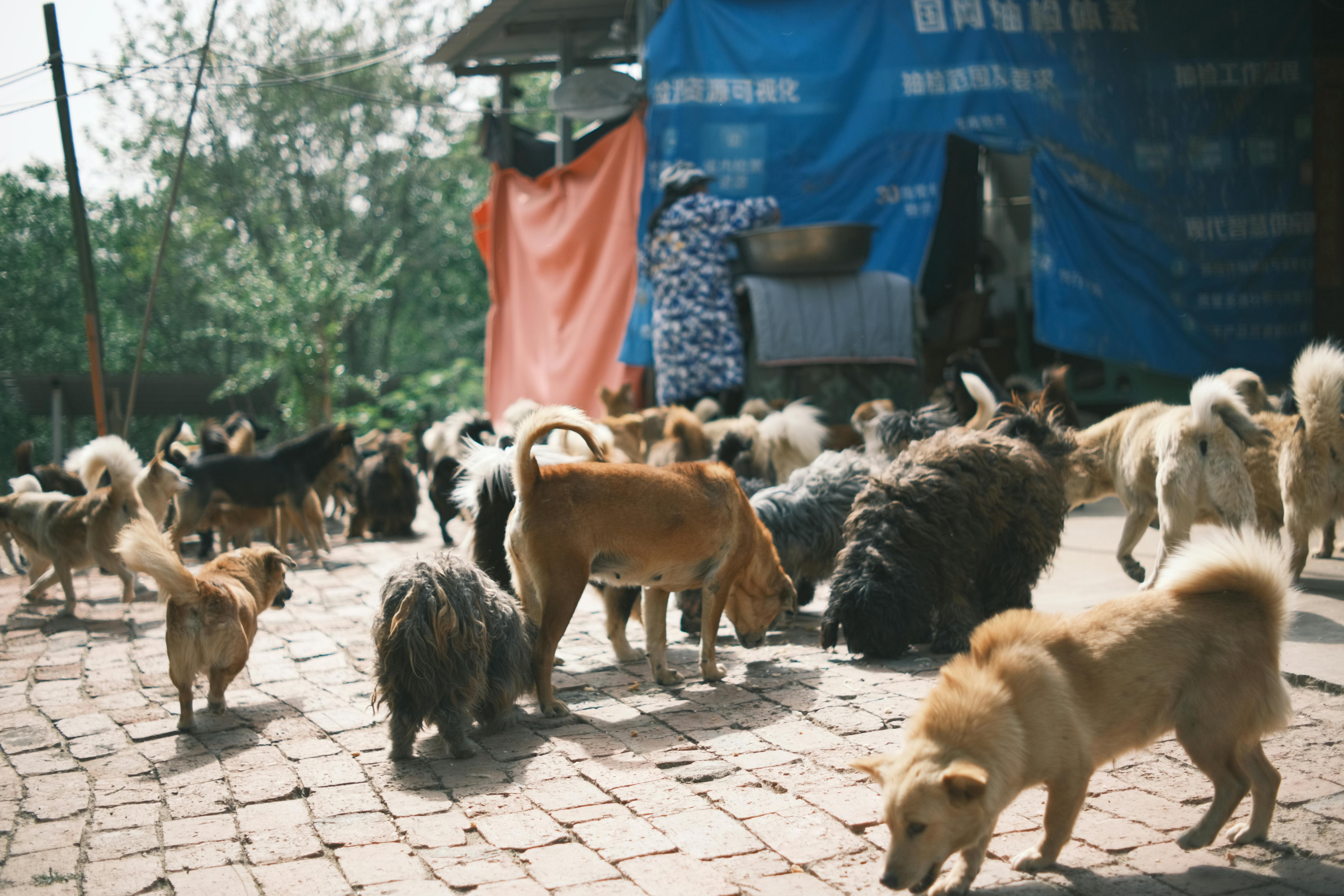
FAQ: Summer Animal Shelter Overcrowding
Why do animal shelters get busier in summer?
Summer coincides with “puppy and kitten season” when birth rates spike, as well as lease transitions, increased family travel, and reduced adoption rates. All these factors bring more animals into shelters at a time when fewer are leaving.
Do all shelters get crowded in summer?
Nearly all US shelters experience increased intake and overcrowding in summer, but the severity can vary by region and local animal population trends.
How can I help if I can’t adopt or foster right now?
Donating money or supplies, volunteering, spreading awareness, and using DogDog as your search engine are all meaningful ways to support shelters during the busiest season.
Is spaying or neutering really that important?
Absolutely. Preventing unplanned litters is one of the most direct, proven ways to reduce future shelter overcrowding. Many experts and shelters stress this as the top preventative measure.
What are the risks for dogs during overcrowded periods?
Overcrowding increases disease risk, stress-induced behavioral issues, and limits staff’s ability to provide adequate attention. Prolonged stays in crowded conditions can make adoption less likely for many dogs.
How does using DogDog help shelter animals?
Each search on DogDog raises money for food, medical care, and programs supporting animal welfare. By switching your search engine, you contribute directly to shelter support without any added cost.
Conclusion
Summer animal shelter overcrowding is a longstanding challenge—one shaped by pet population cycles, economics, and changing human routines. Yet every dog lover has powerful opportunities to help. Whether you adopt, foster, donate, or simply use DogDog for your searches, your involvement relieves pressure on shelters and gives more dogs the chance for safe, happy homes.
For more practical advice, see our deeper guides, like what to do for dogs in overcrowded shelters right now and why large dogs often wait longer for adoption.
If you care about making a difference this summer, we invite you to join our mission at DogDog—where every search brings hope, meals, and health to shelter dogs across the country.